Clogs: Heritage Meets Style
Clogs Once the sturdy shoes of farmers and factory workers, clogs have become one of fashion’s most surprising and enduring silhouettes. Equal parts functional and expressive, they’ve traveled from muddy fields to polished runways, carrying centuries of culture with every step.
A Brief History of the Clog
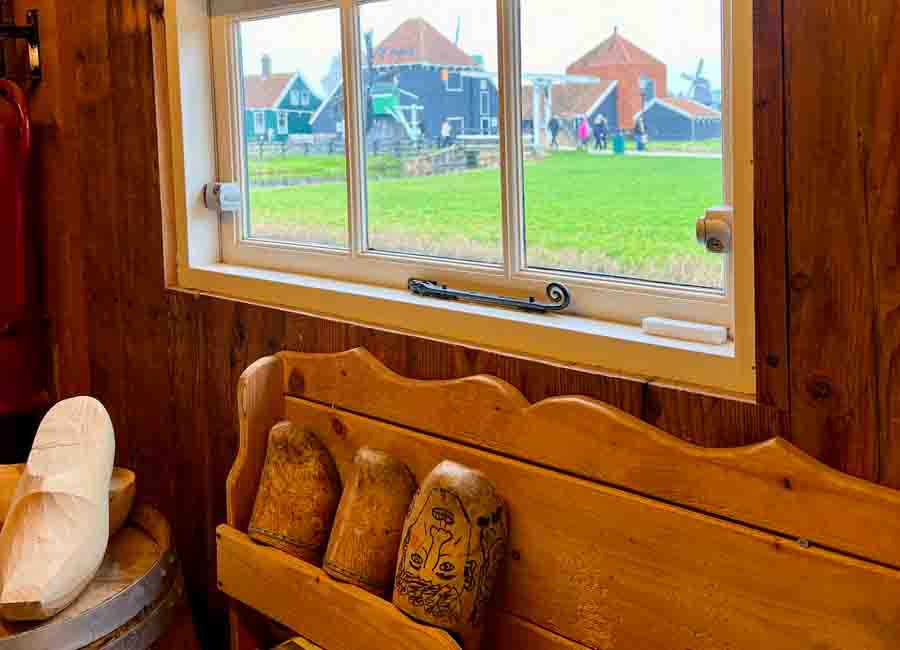
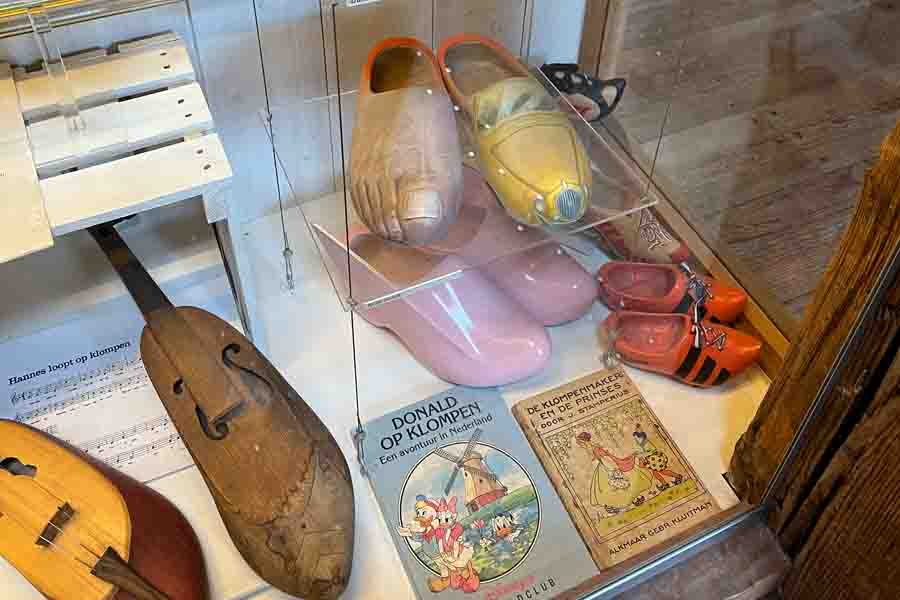
The earliest Dutch klompen date back to the 1200s. Entirely carved from willow or poplar, they were the definition of workwear: waterproof, insulating, and protective against everything from mud to hooves. Similar adaptations appeared elsewhere; in Sweden, clogs had wooden soles with leather uppers, and in England, miners wore sturdy half-leather, half-wood versions.
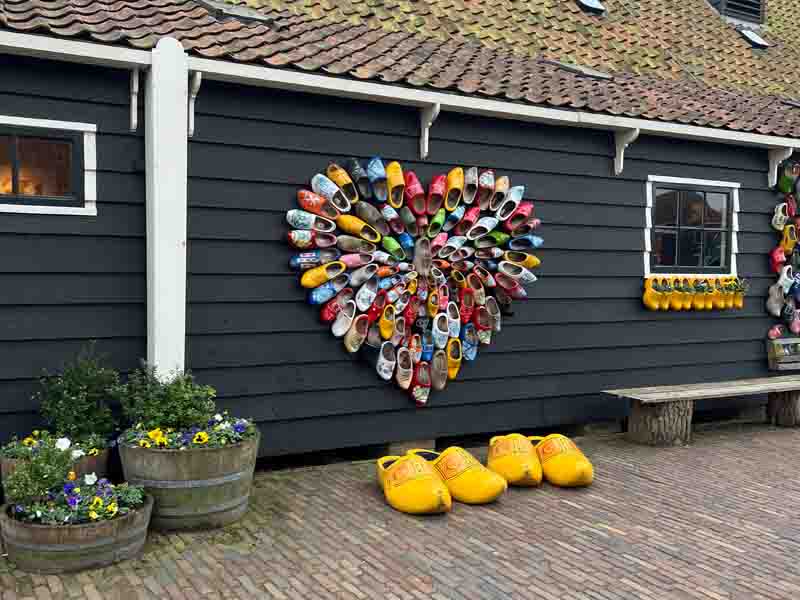
Across the globe, Japan’s wooden geta and okobo served the same purpose, raising the wearer above dirt while doubling as cultural symbols. Wooden shoes were, above all, practical solutions to daily life. But clogs weren’t purely utilitarian. Decorative pairs emerged for Sundays, festivals, and weddings. Painted motifs and carved designs turned them into wearable art. In the Netherlands, they even became instruments: the percussive beat of clog dancing gave a new rhythm to an otherwise humble shoe.
Clogs on the Runway
Clogs in Fashion What makes clogs fascinating today is how seamlessly they’ve transitioned from heritage footwear to contemporary style.
Luxury houses like Chloé, Hermès, and Miu Miu have reimagined clogs in polished leather, with sculpted heels, studs, or glossy finishes. On the runway, they read less like work shoes and more like sculptural statements.
Everyday brands such as Birkenstock have built modern icons from the form, creating clogs that prioritize comfort without losing personality.
Even functional versions, rubber clogs for chefs and medical professionals, have entered style conversations, celebrated for their practicality and sometimes their irony.


How to Wear Them Now
- Minimalist polish: Pair leather clogs with tailored trousers and a crisp shirt.
- Casual comfort: Style suede clogs or Birkenstocks with jeans and oversized knits.
- Playful statement: Try embellished or platform clogs with bold prints or dresses.
- Functional chic: Rubber or foam clogs in neutral colors for chefs, gardeners, or simply anyone prioritizing practicality.
Why They Endure
Clogs succeed because they’re versatile. They can be rustic or refined, practical or playful. They’re easy to slip on, surprisingly comfortable once worn in, and endlessly adaptable. More importantly, they carry heritage: a reminder of centuries of craftsmanship and the cultural lives of ordinary people.