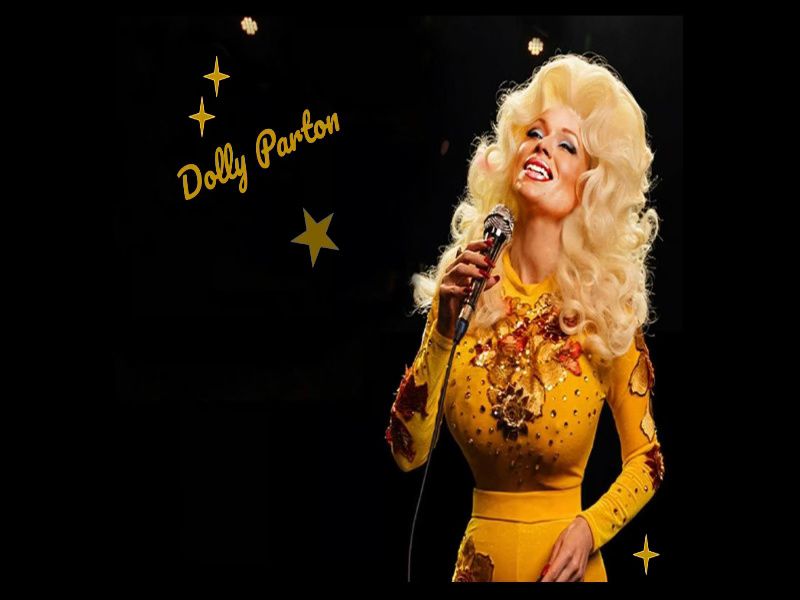
Dolly Parton Dies at 80: Celebrating the Life, Music and Legacy of a Global Icon
Dolly Parton, the legendary American singer, songwriter, actress and philanthropist, has died at the age of 80. But while the world mourns one of country music’s greatest stars, her legacy reaches far beyond Nashville, and far beyond country music.
For many people around the world, including across Africa, Dolly Parton may be most familiar through a song made famous by another extraordinary voice: “I Will Always Love You,” the timeless ballad she wrote in 1973 and which became a global phenomenon when Whitney Houston recorded it for The Bodyguard nearly two decades later.
That journey, from a poor childhood in Tennessee to becoming one of the most influential entertainers in the world, is perhaps the best way to understand Dolly Parton.
From poverty in Tennessee to global stardom
Born in 1946 in rural Tennessee, Dolly Parton grew up in a large family with very little money. Her childhood would become a recurring source of inspiration for her songwriting, particularly in songs such as “Coat of Many Colors,”which transformed memories of poverty into a story about dignity, family and pride.
She arrived in Nashville as a young woman determined to make a career in music. Over the following six decades, she became much more than a country singer.
She was a songwriter, performer, actress, businesswoman, author and philanthropist, while building a distinctive public identity that made her instantly recognisable anywhere in the world.
Parton wrote approximately 3,000 songs and sold more than 100 million records globally. Her catalogue includes some of the most enduring songs in popular music, including “Jolene,” “9 to 5,” “Coat of Many Colors” and “I Will Always Love You.”
The Dolly Parton song that conquered the world
For audiences who may not consider themselves country music fans, Dolly’s influence is impossible to escape.
“I Will Always Love You” is perhaps the clearest example.
Parton originally wrote and recorded the song herself. Years later, Whitney Houston’s extraordinary version introduced it to an entirely new generation and audience, turning it into one of the defining ballads of the 1990s.
It is a powerful reminder that music rarely stays where it begins.
A song can be written in Tennessee, transformed in Hollywood, carried by an American voice and eventually heard by millions of people in Kinshasa, Johannesburg, Paris, London or anywhere else in the world.
That is part of Dolly Parton’s legacy: she created music that travelled.
More than “Jolene” and the big blonde hair
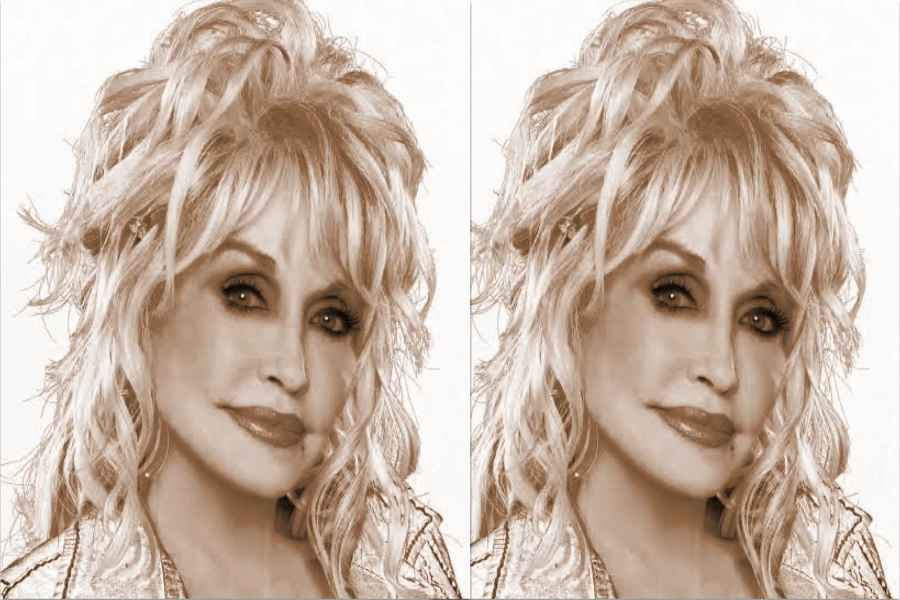
It would be easy to reduce Dolly Parton to her larger-than-life appearance, her blonde hair, rhinestones and famously witty personality.
But behind the image was an exceptionally serious songwriter and entrepreneur.
Parton built a career on her own terms, successfully moving between country, pop, film and television. She starred in films including 9 to 5 and Steel Magnolias, while also building the Dollywood theme park in Tennessee.
She also became one of America’s most recognisable philanthropists. Through the Dolly Parton’s Imagination Library, she supported children’s literacy by providing books to children. Her charitable work extended well beyond entertainment, including a $1 million donation toward COVID-19 vaccine research.
Her career earned her numerous honours, including Grammy Awards and induction into the Rock & Roll Hall of Fame.
A woman who never forgot where she came from
Perhaps the most remarkable part of Dolly Parton’s story is that enormous success never erased the importance of her beginnings.
She frequently spoke about growing up poor, her family and the Appalachian culture that shaped her. Rather than hiding that history, she turned it into art.
That is why her story resonates beyond American country music. There is something universal about an artist taking the circumstances they were born into and transforming them into something that can reach the world.
For audiences in the Democratic Republic of Congo and across Africa, that part of Dolly’s story may be particularly familiar.
Africa has produced generations of musicians, like Fally Ipupa who began with limited resources but built careers that crossed borders. Congolese music itself is a testament to that idea: local stories and sounds can become international.
Dolly Parton understood that principle instinctively.
Dolly Parton’s legacy
Dolly Parton died on August 25, 2026, at the age of 80. Her family announced her death through a message shared on her official social media account.
But her story is not ending.
Her songs will continue to be recorded. Her films will continue to be watched. Her books will continue to reach children. And artists around the world will continue to discover the songs she left behind.
Most importantly, Dolly Parton demonstrated that a person does not have to come from wealth, power or privilege to build something extraordinary.
She came from the mountains of Tennessee with a guitar, a talent for storytelling and a determination to succeed.
She left behind a global cultural legacy.
And somewhere in that legacy is a song that many people in Congo and around the world may know without even realizing who wrote it:
“I Will Always Love You.”
For Dolly Parton, those words now carry an entirely different meaning.
Rest in peace, Dolly. Your songs will always travel.
Did you enjoy this article? Discover more stories that connect on our website.