

Procrastination: 3 simple confirmations can jump start your brain
Procrastination
Procrastination these days is often seen as something evil. Many people tie their sense of value in society to being productive, striving to avoid losing time at any cost. They blame themselves and try their best to push through, no matter what. However, procrastination can also be understood as a signal, a cue that something within us or around us needs attention.
Procrastination and what can you do
When procrastination kicks in, the triple-check method helps you pause and focus on what truly matters and what you can actually do. Consider whether the barrier is from the “head” (rational), “heart” (emotional), or “hand” (practical). Recognizing which type of resistance you’re facing can help you choose the most effective way to move forward.
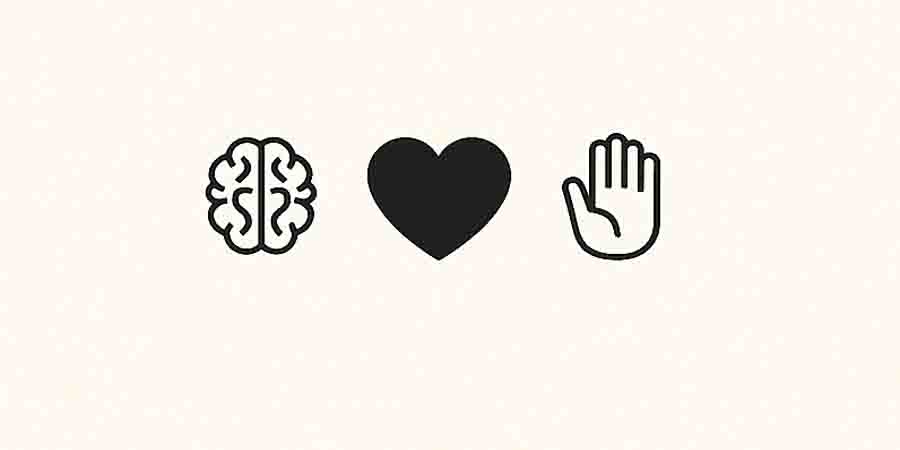
Ask yourself: Why are you procrastinating?
Your resistance could be coming from the fact that, rationally, you’re not convinced about this action. If that’s the case, you might need to discuss it with the people around you to see if there’s a better approach.
Is the resistance emotional?
This often happens because you don’t think the task will be enjoyable. Try finding ways to make it more engaging; perhaps by inviting someone to join you, changing your environment, or rewarding yourself afterward.
Do you have the right tools or environment?
Maybe you feel underprepared or lacking in skills. Ask for help from friends, family, or even colleagues. You might benefit from short online tutorials, quick reference guides, or a conversation with a mentor.
Also, look around to see if there are any systemic barriers. Sometimes this requires an honest dialogue with others or adjusting your environment to help you focus better. Even a small change of scenery, like moving to a quieter space or taking a short walk, can help reset your attention.
Find your flow
Aim for “magic windows” of time when your focus comes naturally. Once you learn to recognize what those windows feel like, you can become more intentional about recreating them.
This approach is often referred to as mindful productivity, which is the ability to stay present and direct your attention intentionally, without judgment. When you respond to procrastination with curiosity rather than criticism, you transform it from an obstacle into an opportunity for clarity.
Procrastination isn’t the enemy. It’s feedback, a gentle nudge from your mind, heart, or hands, reminding you to align your energy with what truly matters.
If well-being in psychology and in everyday life is something that interests you, you might enjoy exploring more articles like this one. (Greek Language)
Table of Contents