Eurovision 2026 Marks 70 Years and Feels Bigger Than Ever
Eurovision 2026 is officially here, and this year feels particularly special as the song contest is celebrating its 70th anniversary, marking seven decades since the very first competition took place in 1956. What started as a relatively small European television experiment has now become one of the biggest live entertainment events in the world.
Eurovision 2026 is taking place in Vienna, Austria, following Austria’s victory last year with JJ and the song Wasted Love. The city is hosting Eurovision for the third time, with all live shows happening at the Wiener Stadthalle.
This year’s Eurovision dates are:
- First Semi Final: Tuesday, May 12, 2026
- Second Semi Final: Thursday, May 14, 2026
- Grand Final: Saturday, May 16, 2026
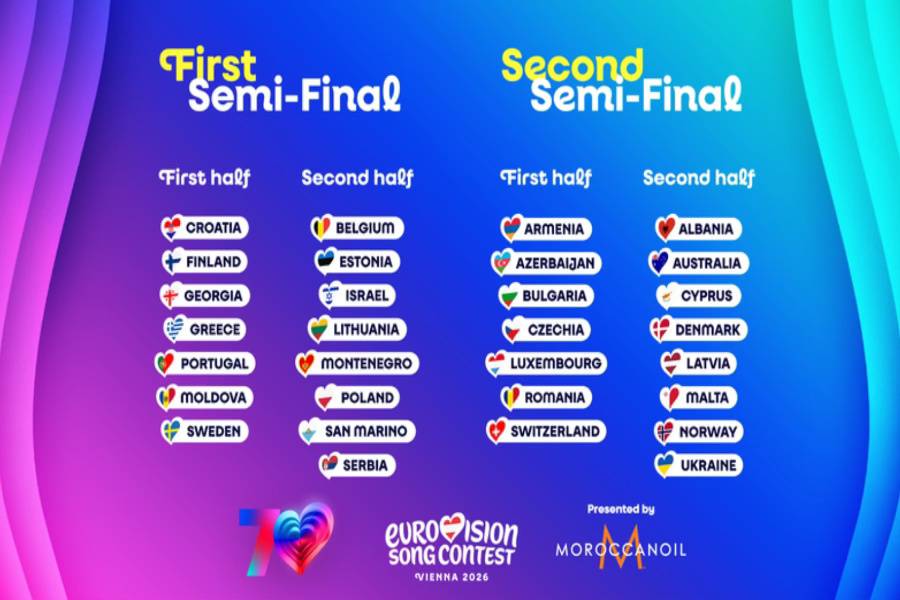
The contest features 35 participating countries competing across the two semi finals before the grand final takes place on Saturday night.
But Eurovision 2026 is about much more than music alone. The event now feels bigger, more global and more online than ever before.
Eurovision 2026 Is Celebrating 70 Years
Reaching the 70th edition is a major milestone for Eurovision. Few entertainment events manage to stay culturally relevant for so long, especially in an entertainment landscape that changes constantly.
To celebrate its anniversary, Eurovision organizers are planning special performances, tributes to past winners, historical retrospectives and global fan events throughout the Eurovision week. Previous Eurovision stars are expected to appear as part of the celebrations.
The Eurovision brand has also expanded massively beyond television. This year, organizers announced a worldwide 70th anniversary campaign, including exhibitions, historical archive restorations and even plans for Eurovision Song Contest Asia later in 2026.
That alone shows how far Eurovision has evolved from its original format.
Which Countries Are Participating in Eurovision 2026?
Eurovision 2026 includes countries from across Europe and beyond. Participating nations include Sweden, Greece, Finland, Serbia, Portugal, Cyprus, Ukraine, Switzerland, Norway and many others.
The automatically qualified finalists this year are:
- Austria as host country
- France
- Germany
- Italy
- United Kingdom
These countries go directly to the Grand Final while the others compete through the semi finals.
As always, Eurovision combines different languages, cultures and musical styles. Some entries focus on emotional ballads while others embrace experimental staging, electronic music or theatrical performances.
That unpredictability remains one of Eurovision’s biggest strengths.
Why Eurovision Keeps Getting Bigger
One of the most interesting things about Eurovision 2026 is how much larger the contest has become in recent years.
For a long time, Eurovision was mostly seen as a European television event. Today, it operates more like a global internet phenomenon. Millions of people now follow Eurovision through TikTok clips, livestreams, fan accounts, reaction videos and social media debates before the actual shows even air.
The contest has adapted perfectly to internet culture.

A performance no longer needs to win Eurovision to become globally successful. Songs often go viral weeks before the Grand Final. Artists gain millions of streams on Spotify and huge exposure online from a single performance.
Social media has completely transformed the Eurovision experience. Fans now analyze rehearsal footage, rank performances online and create memes almost instantly after artists step on stage.
Eurovision 2026 especially feels designed for the internet era.
Eurovision Is Becoming a Massive Travel Event
Another major reason Eurovision keeps growing is tourism.
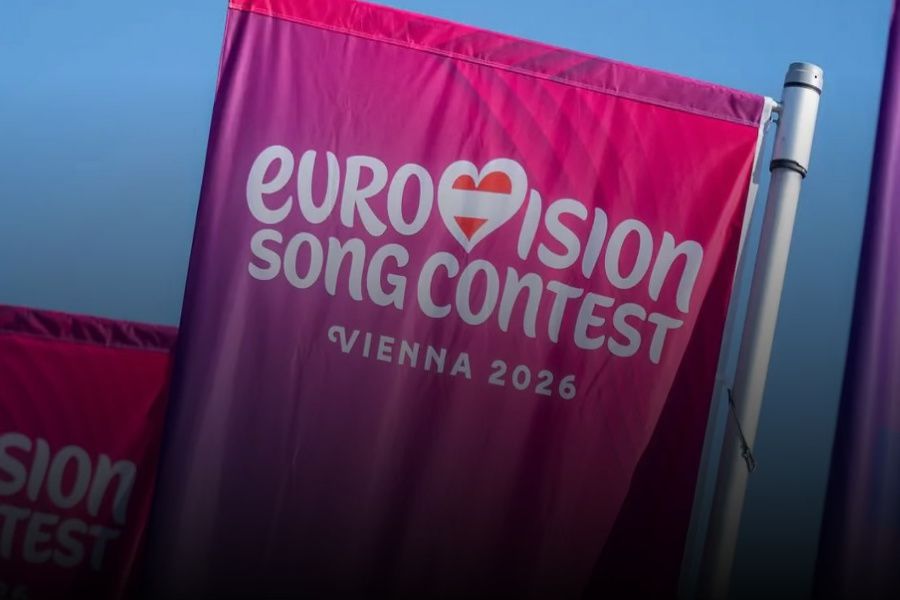
Every year, thousands of fans travel to the host city from across Europe and beyond. Hotels sell out quickly, flights become more expensive and local businesses benefit from the huge number of international visitors.
Vienna is expecting a major tourism boost during Eurovision week. Eurovision Villages, fan zones, afterparties and concerts are attracting visitors far beyond the arena itself.
In fact, previous host cities have reported significant economic benefits from Eurovision tourism. Basel, the 2025 host city, reportedly generated hundreds of millions in economic activity connected to the event.
For many younger travelers, Eurovision is no longer just a TV show. It is a full cultural experience and even an excuse to discover a new city.
Eurovision 2026 Feels More Online Than Ever
Perhaps the biggest difference this year is how impossible Eurovision has become to ignore online.
Even people who do not normally watch Eurovision end up seeing clips and reactions across social media platforms. One dramatic performance or unexpected moment can dominate timelines within minutes.
Eurovision 2026 is also benefiting from younger audiences discovering the contest through TikTok and YouTube rather than traditional television broadcasts.
At the same time, fandom culture around Eurovision has exploded. Fans closely follow betting odds, rehearsals, backstage interviews and voting predictions weeks before the final takes place.
What makes Eurovision unique is that it combines music, internet culture, travel, fashion, politics and live entertainment all at once.
Very few global events manage to create that type of online conversation.
Eurovision Still Going Strong After 70 Years
In an era where entertainment trends change faster and faster, Eurovision evolving and thriving for 70 years is impressive on its own.
But Eurovision 2026 proves the contest is not here because of nostalgia alone. It continues growing because it constantly adapts to how people consume entertainment today.
The contest now works perfectly for the social media era:
- short viral clips
- dramatic live moments
- memes and reactions
- fan communities
- global online discussions
- music discovery
At the same time, Eurovision still keeps its original spirit alive by bringing together artists and audiences from different countries through music.
Whether viewers love it, hate it, or simply watch for the chaos, Eurovision 2026 has become impossible to ignore.
And after 70 years, the contest may actually be more culturally relevant than ever before.
If you enjoy culture, travel, music and the internet moments everyone suddenly starts talking about, make sure to explore more stories and trends on From Congo to the World.