
Breast Cancer Awareness Month 2026: Every Story Is Unique, Every Journey Matters
Every October, Breast Cancer Awareness Month brings people around the world together to raise awareness, encourage early detection, support those affected by breast cancer, and help advance research. Taking place from October 1 to October 31, Breast Cancer Awareness Month is an opportunity to learn more about breast health, recognise potential warning signs and support people living with or affected by breast cancer.
For 2026, the World Health Organization (WHO) is highlighting the theme “Every story is unique, every journey matters.” The message reflects an important reality: there is no single breast cancer experience. Every diagnosis, treatment journey, support network and outcome is different.
What is Breast Cancer Awareness Month?
Breast Cancer Awareness Month is an annual global campaign focused on education, awareness, early detection and support. While October is often associated with pink ribbons and fundraising campaigns, the purpose of breast cancer awareness goes much further.
Breast cancer remains the most common cancer among women worldwide. Breast cancer can affect people at different ages and in every country. Importantly, many people diagnosed with breast cancer do not have a known family history or another specific risk factor. This is why understanding breast health and knowing when to seek medical advice is important.
The 2026 Breast Cancer Awareness Month theme
The theme for Breast Cancer Awareness Month 2026 is “Every story is unique, every journey matters.”
The WHO chose this theme to recognise the individual experiences of people affected by breast cancer. A diagnosis can bring different challenges depending on the type and stage of cancer, available treatments, personal circumstances, support systems and access to healthcare.
The theme also highlights the importance of treating people with dignity and ensuring that everyone has access to timely diagnosis, quality treatment and appropriate support. The WHO is particularly focused on addressing inequalities in breast cancer care, as survival rates can differ significantly depending on where a person lives.
Why early detection matters
One of the most important messages during Breast Cancer Awareness Month is the importance of early detection.
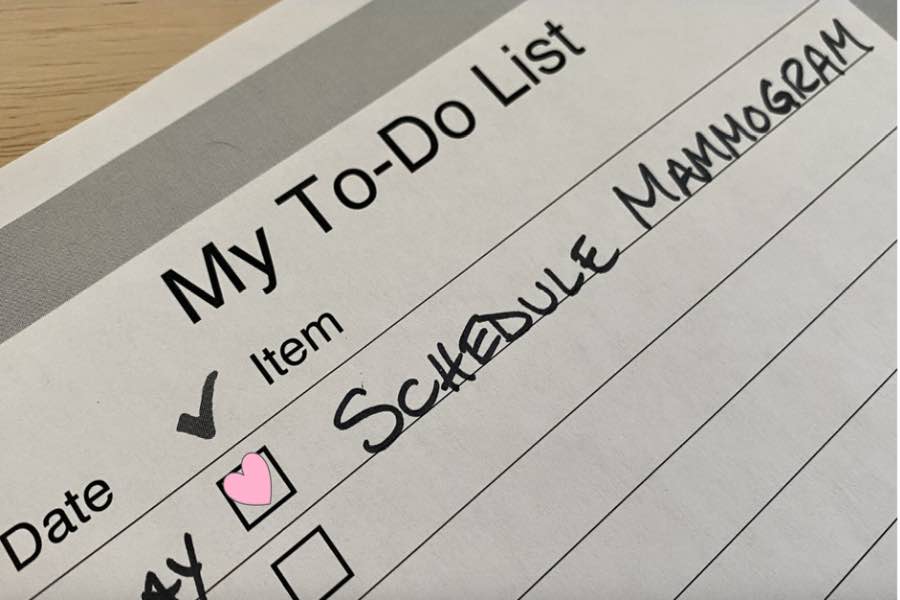
Breast cancer screening, including mammography where recommended, can help detect breast cancer before symptoms appear. Screening recommendations vary depending on age, personal risk and the healthcare system in your country.
For example, the American Cancer Society says women at average risk aged 40 to 44 can choose to begin annual mammograms, while women aged 45 to 54 should have yearly mammograms. People with a higher-than-average risk may need to start screening earlier or have additional tests, so speaking with a healthcare professional about individual risk is important.
Screening is only one part of breast health. Being familiar with how your breasts normally look and feel can also help you notice changes that should be discussed with a healthcare professional.
Breast cancer symptoms and warning signs to know
Breast cancer does not always cause noticeable symptoms in its early stages, which is one reason recommended screening can be important.
However, the WHO advises people to be aware of changes such as:
- A new lump or thickening in the breast
- A change in the size or shape of the breast
- Changes to the skin of the breast
- Changes to the nipple
- Unusual or bloody nipple discharge
Other changes can also occur. Breast self-awareness is about knowing what is normal for you and speaking with a healthcare professional if you notice something unusual or persistent.
It is important to remember that most breast changes are not necessarily cancer, but unusual changes should still be checked by a healthcare professional.
What does the pink ribbon mean?
The pink ribbon has become one of the most recognisable symbols of breast cancer awareness around the world.
The symbol represents awareness, hope, solidarity and support for people affected by breast cancer. During October, organisations, communities and landmarks in many countries use pink to draw attention to breast cancer awareness and encourage conversations about prevention, screening and support.
The pink ribbon emerged as a major symbol of the breast cancer movement in the early 1990s and has since become internationally recognised.
While the pink ribbon is an important symbol, Breast Cancer Awareness Month is ultimately about turning awareness into meaningful action, whether that means learning about screening, supporting someone going through treatment, donating to research or sharing reliable health information.
Important dates during Breast Cancer Awareness Month 2026
October includes several important dates connected to breast cancer awareness.
October 1: Breast Cancer Awareness Month begins.
October 13: Metastatic Breast Cancer Awareness Day, recognising people living with metastatic or Stage 4 breast cancer and highlighting the specific challenges they face.
October 16: National Mammography Day in the United States, which focuses attention on the role of mammography in breast cancer screening.
October 17–23: Men’s Breast Cancer Awareness Week in the United States, highlighting that breast cancer can also affect men.
October 31: Breast Cancer Awareness Month comes to an end, but awareness and support continue throughout the year.
How can you support Breast Cancer Awareness Month?
There are many ways to participate in Breast Cancer Awareness Month, and they do not all involve fundraising.
Start by learning about breast cancer and sharing reliable information with the people around you. If you are due for breast cancer screening, speak with your healthcare provider about the appropriate screening schedule for your age and personal risk.
You can also support someone affected by breast cancer by simply being there. A diagnosis can be overwhelming, and practical or emotional support can make a meaningful difference.
For organisations and communities, Breast Cancer Awareness Month can also be an opportunity to organise educational events, fundraising activities, workplace initiatives or local campaigns. The National Breast Cancer Foundation highlights activities such as community events, health fairs, fundraising initiatives and educational programmes as ways to turn awareness into action.
If you choose to donate, consider researching where your money goes and whether an organisation clearly explains how it supports patients, research, education or access to care.
Awareness should continue beyond October
Although Breast Cancer Awareness Month takes place every October, breast cancer does not affect people only during one month of the year.
For someone receiving a diagnosis, undergoing treatment or living with metastatic breast cancer, their journey continues long after the pink ribbons come down. That is why the 2026 theme, “Every story is unique, every journey matters,” is particularly meaningful.
Breast cancer awareness is about more than wearing pink. It is about understanding the importance of early detection, knowing the signs, encouraging access to quality healthcare and supporting people throughout their individual journeys.
This October, take a moment to learn, talk, support and act. Because behind every statistic is a person, every diagnosis is a different story, and every journey matters.
Discover more stories, insights and resources on our website, and explore how we’re turning awareness into action. Visit our website to learn more.