Easter 2026: 2 Different Dates, Many Fascinating Traditions
Easter 2026 falls on Sunday, April 5, marking one of the most important celebrations in the Christian calendar. For Catholics and many Protestant communities, this day commemorates the resurrection of Jesus Christ and concludes Holy Week, a period of reflection, rituals, and gatherings observed across the world.
What makes Easter particularly unique is that it does not have a fixed date. Instead, it is determined by a combination of the lunar calendar and the spring equinox. Easter is celebrated on the first Sunday after the first full moon following the equinox, which is why it can fall anywhere between late March and late April.

This explains why it sometimes feels early and other times quite late.
Another important factor is the use of different calendars. Western churches, including Catholic and most Protestant denominations, follow the Gregorian calendar. Eastern Orthodox churches follow the Julian calendar, which is currently about 13 days behind.
As a result, Easter is not always celebrated on the same day worldwide.
Easter 2026, for example differs as below:
- Catholic and Protestant Easter falls on April 5
- Orthodox Easter falls on April 12
In some years, the difference can be even greater, sometimes reaching up to five weeks.
Orthodox churches also follow additional rules, including ensuring that Easter takes place after the Jewish festival of Passover, which further explains the variation in dates.
Despite ongoing discussions about unifying the celebration, Easter continues to be observed on different dates depending on tradition and region.
Easter traditions in Europe
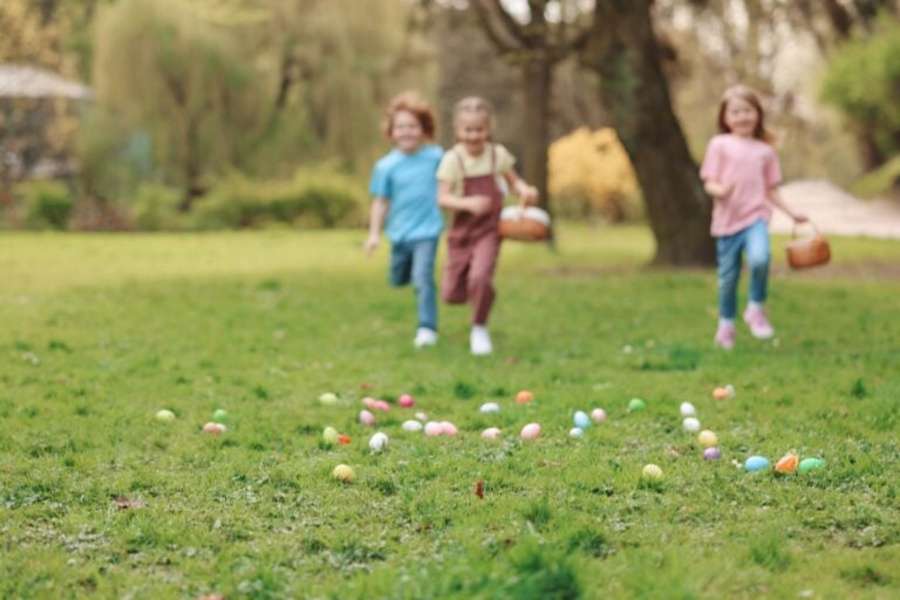
Across Europe, Easter blends religious observance with seasonal celebration. Easter Sunday and Easter Monday are public holidays, often marked by family brunches, egg hunts, and outdoor activities as spring begins.
Germany and the UK are known for the Easter Bunny tradition, where children search for chocolate eggs hidden in gardens or parks. In France, church bells are said to fly to Rome on Good Friday and return on Easter Sunday, bringing chocolate treats for children.
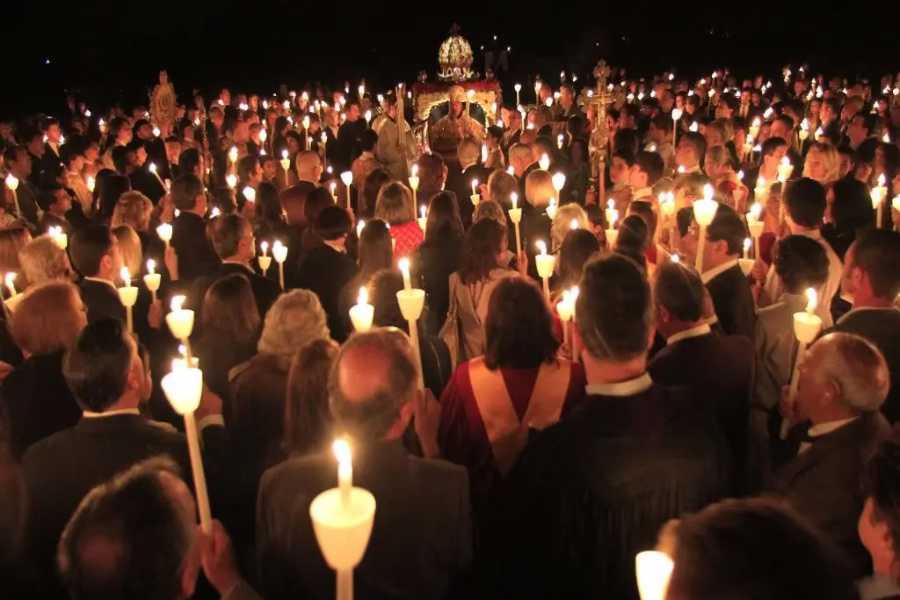
In Greece, Easter is one of the most important religious celebrations of the year. Orthodox traditions include midnight church services, candlelit processions, and the cracking of red dyed eggs, symbolising new life and renewal.

Easter traditions in the Americas
In the United States, Easter combines religious and cultural traditions. Families attend church services, organise egg hunts, and take part in events such as the Easter Egg Roll in Washington.
In Latin America, Easter is deeply rooted in Catholic traditions. Countries like Mexico, Peru, and Brazil celebrate Semana Santa with large processions, reenactments of biblical events, and community gatherings.
Brazil has also embraced chocolate eggs as a key part of the celebration, with elaborate displays in shops and homes.
Easter traditions in Africa and Asia
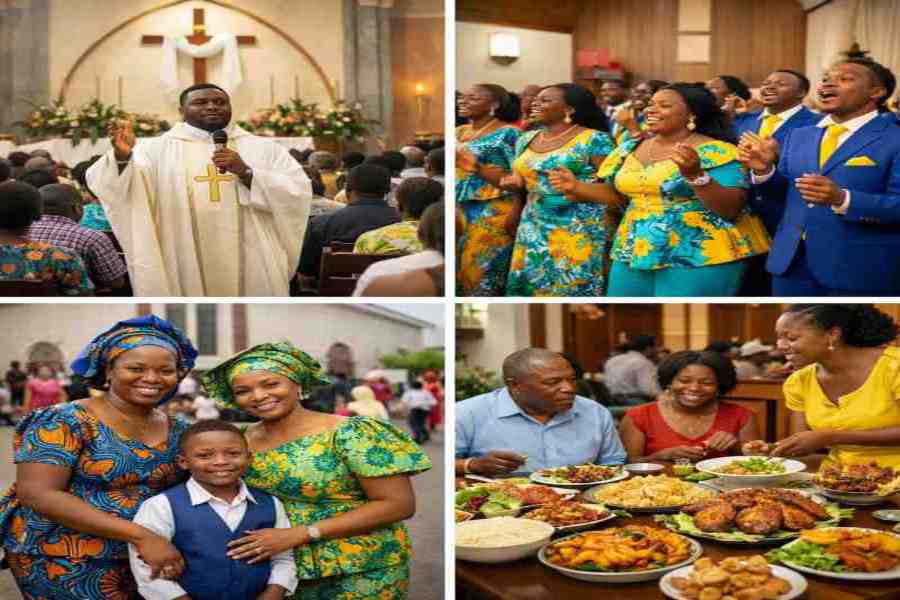
In many African countries, Easter is a vibrant and deeply spiritual celebration. In Democratic Republic of the Congo, Easter is one of the most important religious events of the year.
Church is at the centre of the celebration, with long and energetic services filled with singing, dancing, and powerful gospel choirs. The atmosphere is lively and communal, reflecting how faith is experienced collectively. Holy Week is observed with prayer and reflection, especially on Good Friday.
On Easter Sunday, people dress in their best outfits and gather with family after church for large meals. Unlike in many Western countries, the focus is less on chocolate eggs or commercial traditions and more on spirituality, music, and togetherness.
In Nigeria, celebrations are also energetic, with music, colourful attire, and strong community participation. In Ethiopia, Easter is celebrated later following the Orthodox calendar and includes a long fasting period followed by a festive meal.
In the Philippines, Easter blends solemn rituals with joyful traditions such as the Salubong, a pre dawn ceremony symbolising reunion and resurrection. In India, Christian communities celebrate Easter with church services, festive meals, and the sharing of sweets, reflecting a mix of local culture and religious heritage.
Easter 2026 Common symbols and global meaning
Despite the diversity of traditions, certain symbols are shared across cultures. Easter eggs represent new life and rebirth, while lamb is associated with sacrifice and renewal. The Easter Bunny, although more commercial, has become widely recognised in many parts of the world.
At its core, Easter carries a universal message of renewal, hope, and new beginnings. Whether observed through religious ceremonies or cultural traditions, it brings people together to celebrate life, family, and faith.
From candlelit vigils in Greece to vibrant church celebrations in Congo and large processions in Latin America, Easter reflects both unity and diversity across cultures.
As Easter 2026 approaches for much of the world, millions of people will celebrate in their own way, each tradition adding to the richness of this global moment.
Happy Easter 2026, if you celebrate it!
Did you find this post about Easter 2026 interesting? Then check out more lifestyle articles on our site and keep exploring culture, travel, and stories from around the world.