Tesla Full Self Driving in Europe: 1 Step Closer to the Future of Driving
Tesla Full Self Driving – A major step for self driving cars in Europe
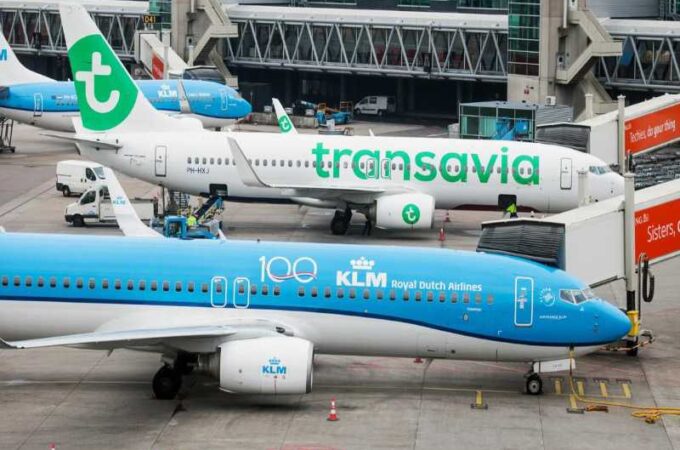
Self driving technology has been developing for years, but 2026 marks a turning point. Tesla has officially brought its Full Self Driving system to Europe, starting with Netherlands. This move positions Europe as the next major testing ground for autonomous mobility and signals a broader shift in how people will experience transportation in the coming years.
Tesla Full Self Driving, often referred to as FSD, is not fully autonomous in the strictest sense. It is a supervised system that can handle driving tasks across motorways, city streets, and complex environments, but it still requires a human driver to remain alert and ready to intervene at any moment.
The introduction of this technology in Europe raises important questions about safety, regulation, and the future of urban mobility.
What is Tesla Full Self Driving
Tesla Full Self Driving is an advanced driver assistance system powered by artificial intelligence. Unlike traditional systems that rely heavily on radar or lidar, Tesla uses a vision based approach. This means the system depends primarily on cameras and AI to understand the environment.
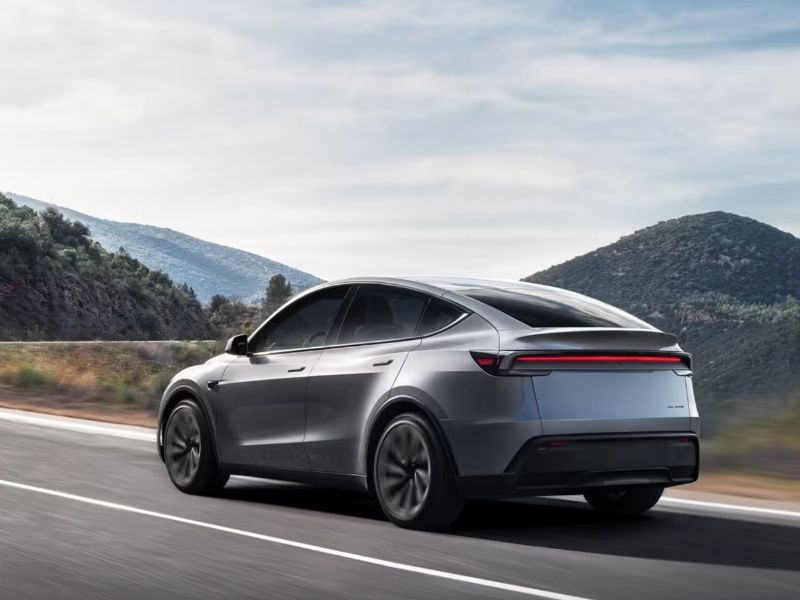
The technology is currently available on models like the Tesla Model Y, one of the brand’s best selling electric vehicles worldwide.
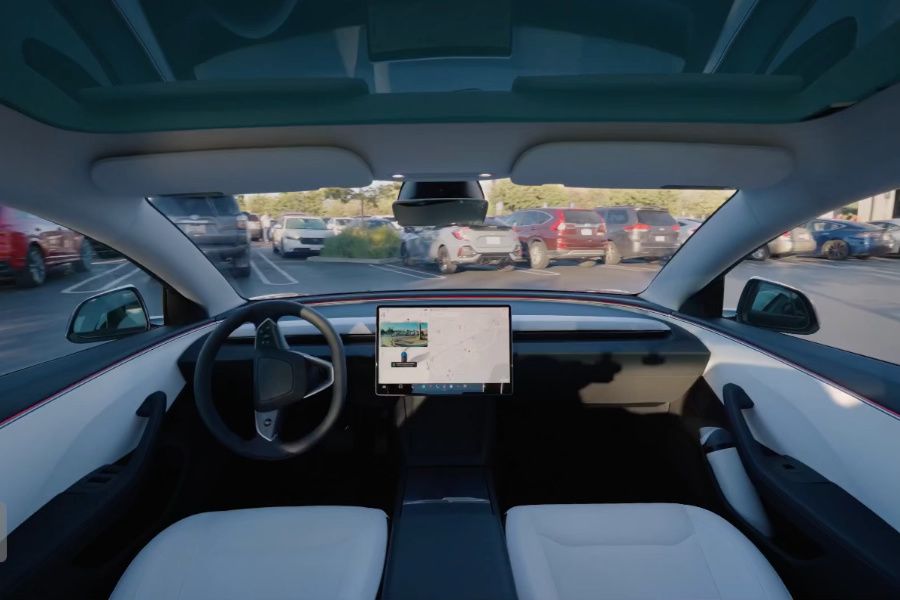
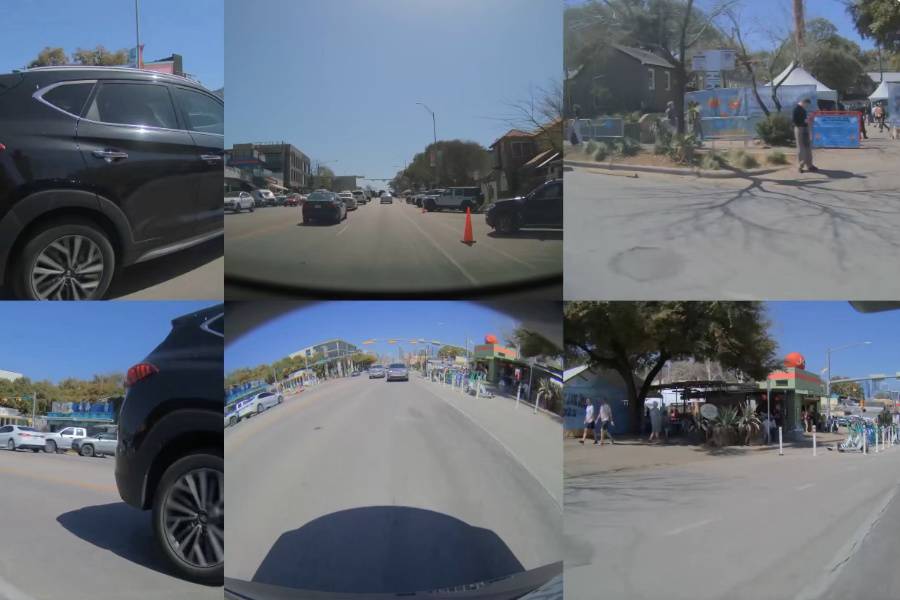
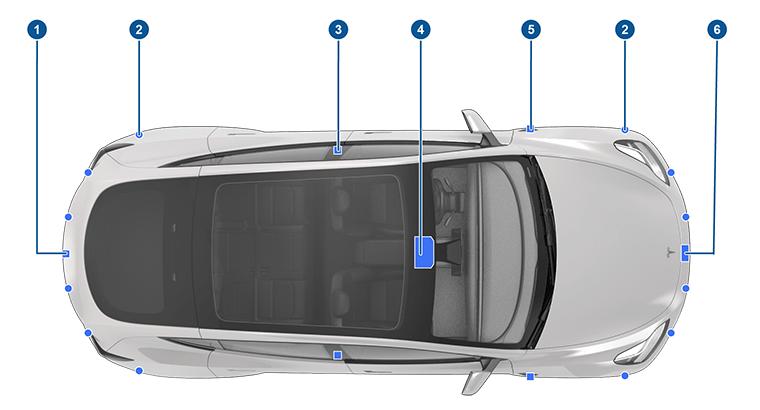
The system relies on eight external cameras positioned around the vehicle. These cameras provide a 360 degree view, capturing everything from road markings to pedestrians and traffic signals. Additional sensors and systems support the experience, including GPS, onboard maps, microphones, and motion detection tools.
All this data is processed by Tesla’s neural network, which interprets the environment and makes driving decisions in real time. The goal is to replicate human driving behavior while improving safety and consistency.
How Tesla FSD works in real conditions
Tesla Full Self Driving is designed to operate in a wide range of driving scenarios. It can:
- Navigate city streets with traffic lights and intersections
- Drive on highways and automatically change lanes
- Adjust speed based on traffic conditions
- Handle stop and go traffic
- Park autonomously
The system is activated by setting a destination in the navigation system and engaging FSD via the steering wheel or touchscreen. Once activated, the car takes control of steering, acceleration, and braking.
One of the most notable features is the real time visualization on the central screen. Drivers can see how the car interprets its surroundings, including vehicles, pedestrians, cyclists, and road signs. This transparency helps build trust in the system.
Safety claims and real world data
Safety is at the core of Tesla’s messaging around Full Self Driving. According to the company, vehicles using FSD in the United States have significantly fewer accidents compared to human driven cars.
Tesla reports that drivers using the system experience:
- Seven times fewer collisions on highways
- Five times fewer collisions on other roads
These figures are based on aggregated driving data collected from millions of miles driven daily. Tesla vehicles generate a massive amount of real world data, which is then used to continuously train and improve the system.
The company also estimates that widespread adoption of self driving technology could save tens of thousands of lives each year, particularly in countries with high road fatality rates.
Why Europe is a challenging environment
Europe presents a unique challenge for autonomous driving systems. Unlike the wide and often predictable roads in the United States, European cities are older, denser, and more complex.

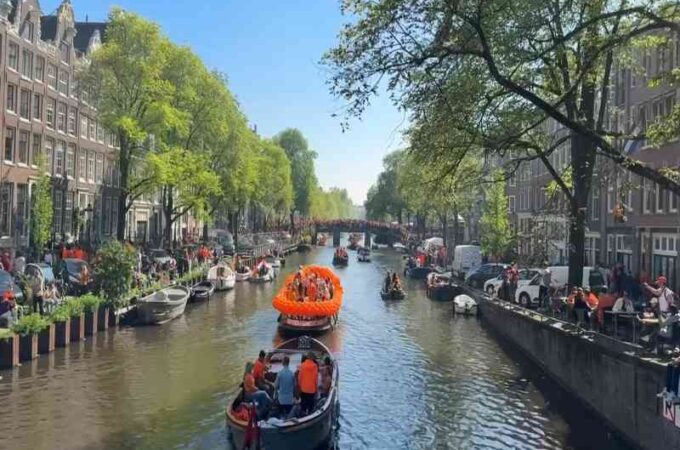
Cities like Amsterdam are particularly demanding. Roads are often narrow, with a mix of cars, bicycles, trams, and pedestrians sharing the same space. Traffic rules can be less predictable, and infrastructure varies widely from one country to another.
This makes Europe an ideal testing ground for advanced self driving systems. If a system can perform well in such conditions, it demonstrates a high level of capability.
Regulation and rollout in Europe
The Netherlands is the first European country to approve Tesla’s Full Self Driving system for use on public roads. This approval follows extensive testing and demonstrations to regulators.
Other European countries are expected to follow, but the rollout will likely vary depending on local laws and safety requirements.
It is important to note that current regulations still place responsibility on the driver. Even when FSD is active, the driver must remain attentive and is legally responsible for the vehicle.
This is why Tesla labels the system as supervised. Full autonomy, where the car takes complete responsibility, is not yet approved in most regions.
Tesla’s approach to autonomous driving
Tesla’s strategy for self driving is different from many competitors. Companies like Waymo and Uber often rely on a combination of lidar, radar, and detailed mapping.
Tesla, on the other hand, focuses on vision based AI. The company believes that cameras combined with powerful neural networks can achieve human level driving performance without the need for expensive hardware.
This approach allows Tesla to scale more quickly, as the system can be deployed through software updates rather than requiring specialized infrastructure.
Another key advantage is Tesla’s data ecosystem. With millions of vehicles on the road, the company collects vast amounts of real world driving data every day. This data is used to improve the system through over the air updates, meaning cars can get smarter over time.
The role of artificial intelligence
Artificial intelligence is at the heart of Tesla’s Full Self Driving system. The neural network processes visual data from the cameras and identifies objects, predicts behavior, and makes decisions.
For example, the system can detect:
- Pedestrian movement and direction
- Cyclists approaching from different angles
- Traffic light changes
- Road markings and lane boundaries
It can even interpret subtle cues, such as whether a pedestrian is about to cross the road. This level of understanding is critical for safe autonomous driving, especially in complex urban environments.
Tesla’s AI is continuously evolving, with improvements delivered through software updates. This means that the system you use today may be significantly better just a few months later.
Limitations and challenges
Despite its impressive capabilities, Tesla Full Self Driving is not perfect. There are still situations where human intervention is required.
Some of the current challenges include:
- Complex intersections with unclear signals
- Temporary road changes such as construction zones
- Poor visibility conditions
- Unpredictable human behavior
The system also requires clean cameras to function properly. Dirt, rain, or glare can affect performance, although Tesla has implemented solutions to mitigate these issues.
Another limitation is public perception. Many people are still skeptical about self driving technology, and trust will take time to build.
The future of self driving cars
The introduction of Tesla Full Self Driving in Europe is just the beginning. As technology improves and regulations evolve, autonomous driving is expected to become more widespread.
In the future, we may see:
- Fully autonomous vehicles with no need for human supervision
- Reduced traffic accidents and fatalities
- More efficient traffic flow in cities
- New mobility services such as robotaxis
Tesla has already hinted at its long term vision, which includes a global network of autonomous vehicles that can operate as shared transportation services.
What this means for drivers and cities
For drivers, Full Self Driving represents a shift from active control to supervision. Instead of focusing on every detail of driving, users can rely on the system to handle routine tasks.
For cities, the impact could be even greater. Autonomous vehicles have the potential to reduce congestion, improve safety, and transform urban planning.
However, these benefits will depend on how quickly the technology is adopted and how effectively it is regulated.
Tesla Full Self Driving Summary
Tesla Full Self Driving arriving in Europe marks a significant milestone in the evolution of transportation. By combining advanced AI with real world data, Tesla is pushing the boundaries of what is possible in autonomous driving.
While the technology is not yet fully autonomous, it already offers a glimpse into the future of mobility. As more countries approve its use and the system continues to improve, self driving cars could soon become a common sight on European roads.
For now, the key takeaway is clear. Autonomous driving is no longer a distant concept. It is here, it is evolving rapidly, and it is set to reshape how we move through the world.
Loved this article about Tesla Full Self Driving? Then keep an eye for more interesting articles as we share stories that move and perspectives that connect. From Congo to the World isn’t just storytelling, it’s a cultural journey. A mash-up of travel, people, and traditions, told with the bold, creative spirit of Congo as our compass.