Saint Patrick’s Day 2026: History, Traditions, and Why the World Celebrates Irish Culture
Every year on March 17, millions of people around the world celebrate Saint Patrick’s Day. What began as a religious feast honouring Ireland’s patron saint has grown into one of the most widely celebrated cultural holidays on the planet.
From massive green parades to Irish music and festive gatherings, Saint March 17, 2026 will once again bring people together to celebrate Irish heritage, tradition, and community.
In this article, you will discover the history of Saint Patrick’s Day, why it is celebrated, and how the holiday became a global phenomenon.
The History of Saint Patrick’s Day
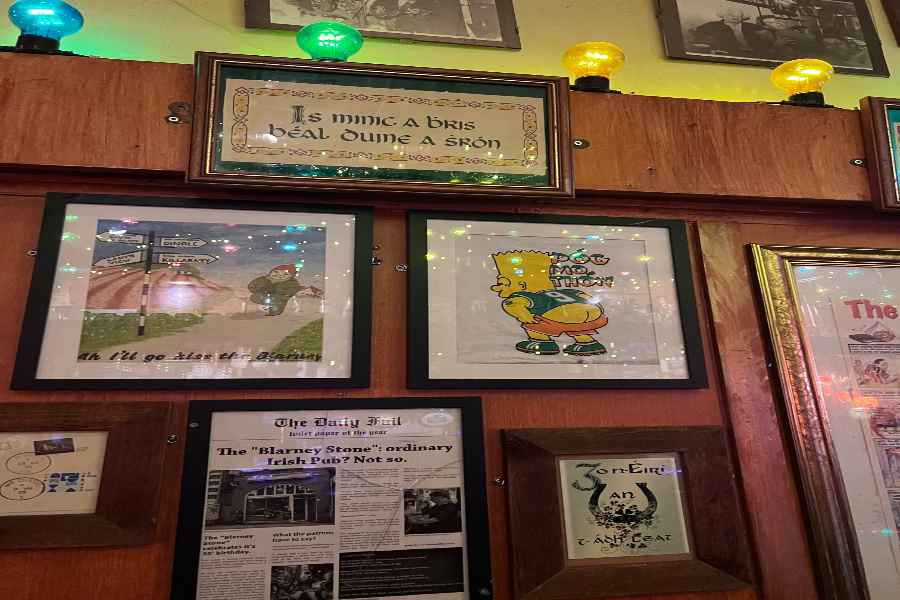
Saint Patrick’s Day commemorates the life of Saint Patrick, the missionary credited with spreading Christianity across Ireland during the 5th century.
Saint Patrick was not originally Irish. He was born in Roman Britain in the late fourth century. At the age of sixteen he was kidnapped by Irish raiders and taken to Ireland, where he spent several years as a slave working as a shepherd. According to historical accounts, Patrick eventually escaped and returned to Britain. Years later he felt called to return to Ireland as a Christian missionary. Over time he became one of the most influential religious figures in Irish history.
March 17, believed to be the day of his death, later became a religious feast day. What started as a solemn observance eventually evolved into a celebration of Irish identity and culture.
The Meaning of the Shamrock
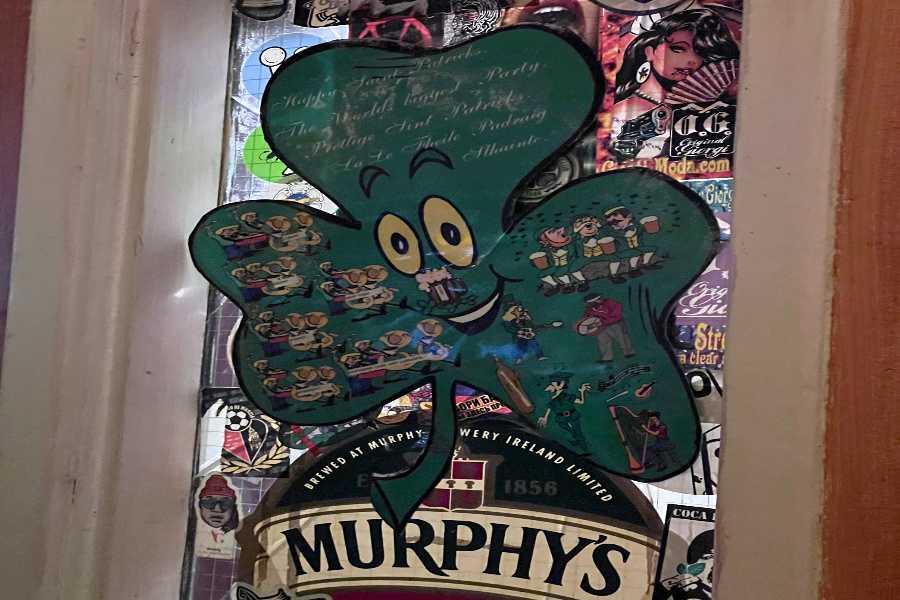
One of the most recognisable symbols of Saint Patrick’s Day is the shamrock. Legend says Saint Patrick used the three leaf clover to explain the concept of the Holy Trinity in Christianity. The plant therefore became associated with Irish faith and national identity. Today the shamrock appears everywhere during the celebration, from clothing and decorations to parades and festivals.
The Colour Green
Green is now the universal colour of Saint Patrick’s Day. However, historically the colour originally associated with Saint Patrick was actually blue. Green became dominant for several reasons:
- Ireland is often called the Emerald Isle because of its lush landscapes.
- The shamrock itself is green.
- Irish nationalist movements historically used the colour green as a symbol of Irish identity.
Wearing green on March 17 has therefore become a symbolic way of celebrating Irish heritage.
Traditional Saint Patrick’s Day Food
Food also plays a role in the celebration of Saint Patrick’s Day.
Some traditional dishes associated with the holiday include:
- Irish Stew – One of the most traditional dishes of Ireland, usually made with lamb, potatoes, onions, and carrots. Known for its simple ingredients and rich flavour, Irish stew reflects the rustic cooking traditions of Irish households and is often enjoyed during cold weather or festive occasions like Saint Patrick’s Day.
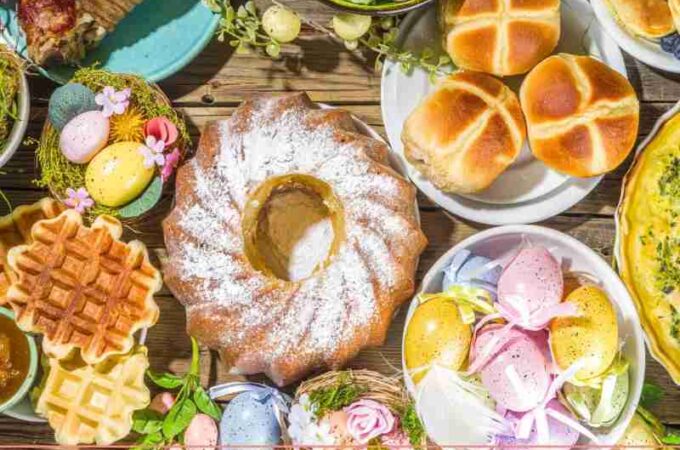
- Soda Bread – A classic Irish bread made using baking soda instead of yeast as a leavening agent. With a dense texture and slightly tangy taste, it is traditionally baked in a round loaf with a cross cut on top. Soda bread is often served warm with butter and pairs perfectly with soups, stews, and traditional Irish meals.
- Corned Beef and Cabbage – The dish is widely associated with Saint Patrick’s Day celebrations, especially in Irish American communities.
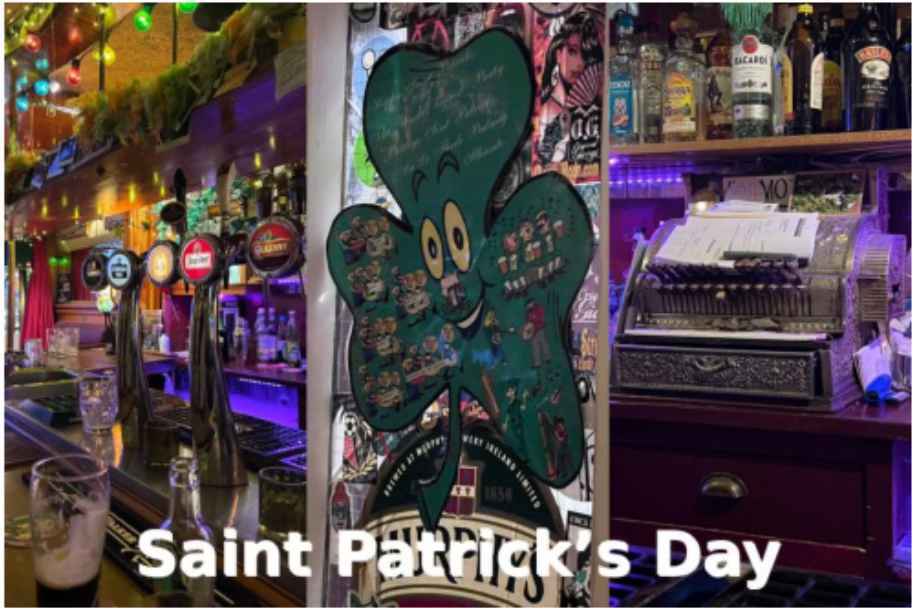
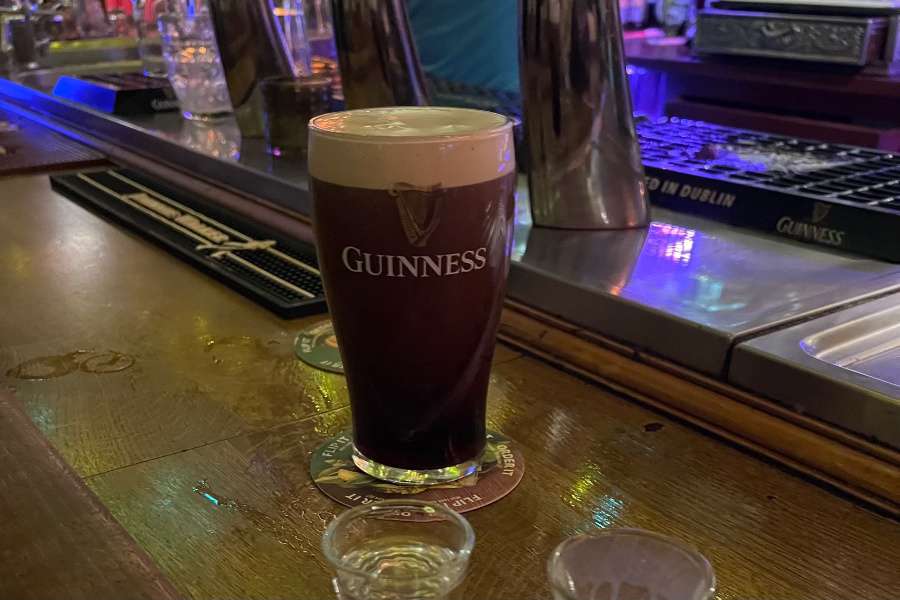
Many celebrations also include Irish beverages, particularly the iconic stout Guinness, which has become closely associated with the holiday. First brewed in Dublin in 1759, the famous Irish stout is deeply connected to pub traditions and raising a pint of Guinness has become a common way to join the festivities.
Saint Patrick’s Day Traditions Around the World
Although Saint Patrick’s Day began in Ireland, the largest celebrations today often take place outside the country. The worldwide popularity of Saint Patrick’s Day is largely due to Irish migration throughout the 18th and 19th centuries. Irish communities abroad used the holiday as a way to celebrate their culture and maintain a connection with their homeland. Over time, the celebration expanded beyond Irish communities and became a global festival of music, culture, and joy.
In Dublin, the celebration includes a multi day festival featuring music, parades, street performances, and cultural events.
In the United States, some of the most famous celebrations take place in New York City, Boston, and Chicago. Chicago is especially known for a unique tradition where the city dyes the river bright green each year.
Parades, Irish dancing, traditional music, and festive gatherings are common parts of the celebration worldwide. However, Saint Patrick’s Day is more than just a party. It is a celebration of history, identity, and cultural pride.
The holiday connects people with Ireland’s rich traditions, from storytelling and music to community gatherings and shared heritage.
Whether you attend a parade, wear something green, or enjoy Irish food and music, Saint Patrick’s Day is a moment to celebrate culture and community across the world.
If Saint Patrick’s Day and big celebrations are not your thing, check out our article about the opening of Keukenhof for a chance to immerse yourself in nature.