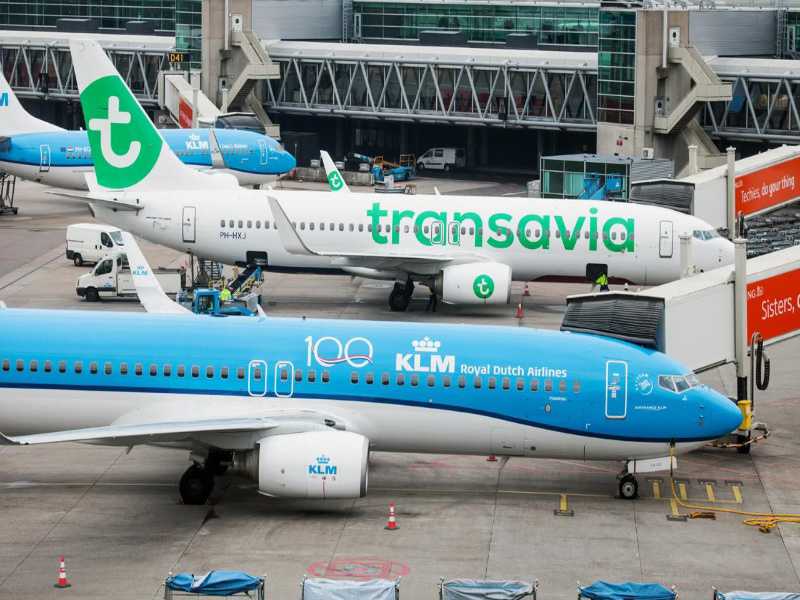
Jet Fuel Crisis Europe 2026: Airlines Cancel Flights and What It Means for Travelers
Jet Fuel Crisis – A turbulent summer ahead
The jet fuel crisis in Europe is quickly becoming one of the biggest travel disruptions of 2026. As fuel prices surge due to ongoing geopolitical tensions in the Middle East, airlines across the continent are being forced to cancel flights, suspend routes, and introduce new surcharges.
According to the International Air Transport Association, jet fuel prices in Europe have risen by over 105 percent compared to last year. This dramatic increase is hitting airlines just as they prepare for peak summer demand, creating uncertainty for millions of travelers.
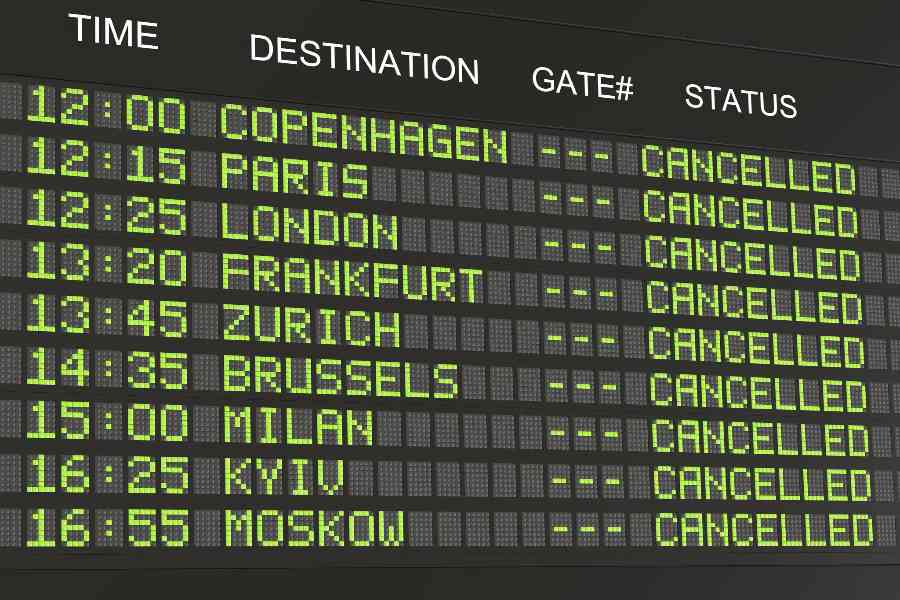
Airlines cutting flights across Europe
Transavia
The low cost carrier, part of the Air France-KLM group, has announced cancellations between May and June.
- Around 2 percent of flights from its French operations have been removed
- Passengers are offered free rebooking, vouchers, or full refunds
- Flights from the Netherlands are largely unaffected for now
Meanwhile, its parent airline KLM has already cut 160 flights from Amsterdam Schiphol, mainly short haul routes such as London and Düsseldorf, citing profitability issues due to fuel costs.
Turkish Airlines
One of Europe’s largest carriers is making significant adjustments to its network:
- 18 international routes suspended
- Reduced flight frequencies across Europe, Africa, and Asia
- Destinations affected include Hurghada, Kinshasa, and Leipzig
Some suspensions are expected to last well into late 2026, with certain routes already removed from 2027 schedules.
Lufthansa and SunExpress
The German aviation giant has taken one of the most drastic steps:
- 20,000 flights grounded to reduce operational costs
Its joint venture airline SunExpress is also introducing a €10 fuel surcharge on flights between Türkiye and Europe starting in May.
What about holiday prices?
Despite the crisis, not all travel news is negative.
The tourism group TUI has confirmed that:
- Customers who already booked will not face fuel surcharges
- Holiday package prices remain fixed and protected
This offers some reassurance for travellers who planned ahead, even as airline ticket prices fluctuate.
Why this jet fuel crisis matters
The current situation goes beyond temporary disruptions. It highlights how sensitive the aviation industry is to global events.
Key impacts include:
- Fewer available flights during peak season
- Higher ticket prices for new bookings
- Reduced flexibility on popular routes
- Increased likelihood of last minute schedule changes
For travellers, this means planning ahead is no longer optional. It is essential.
What travelers should do now
If you are planning to travel to, from or within Europe this summer, here is how to stay ahead:
- Check your flight status regularly
- Book flexible tickets when possible
- Consider alternative routes or nearby airports
- Allow extra time for connections and changes
The bottom line
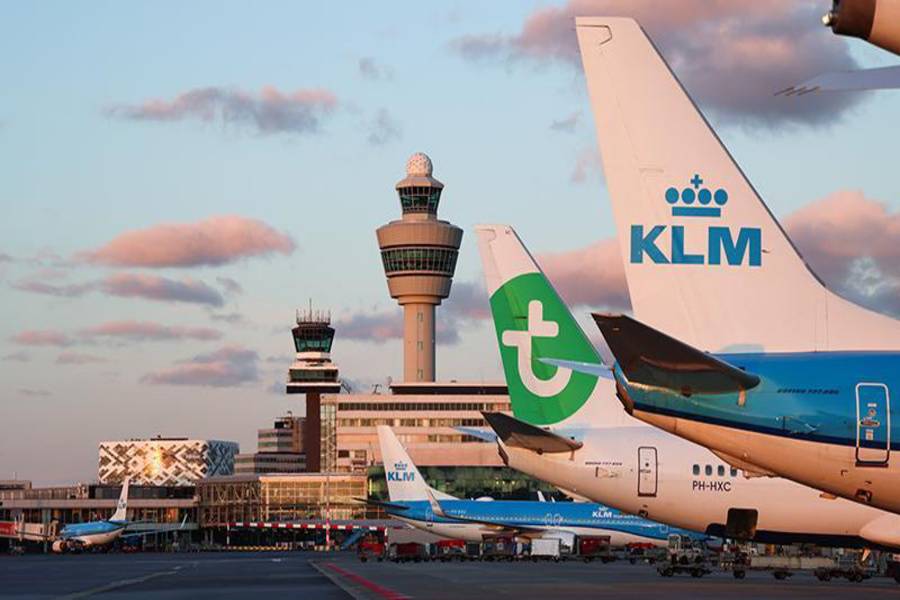
The jet fuel crisis in Europe in 2026 is reshaping how airlines operate and how people travel. While cancellations from airlines like Transavia, KLM, Turkish Airlines, and Lufthansa are already impacting schedules, the situation remains fluid.
Travel is still very much possible this summer. But it will require more awareness, flexibility, and smart planning than ever before.
If you still love travelling and plan to explore more of the world despite these challenges, take it as part of the adventure. For more inspiration, destination ideas, and travel insights, check out our latest articles on fromcongototheworld.com.