David Bowie 10 Years On: One Legend, Many Personas
A Decade After His Death, the David Bowie Fashion Legacy Continues
Ten years after his passing, David Bowie remains one of the most influential figures in music, fashion, and popular culture. Born in Brixton as David Robert Jones, Bowie died in January 2016 at the age of 69. A decade on, his absence has only sharpened our understanding of how radically he reshaped the relationship between sound, style, identity, and self-expression.
The David Bowie fashion legacy is inseparable from his music. Known as a creative chameleon, Bowie was not only a singer and songwriter but also an actor, record producer, and cultural innovator. He absorbed inspiration from art, theatre, gender politics, street culture, and high fashion, transforming these influences into trends that extended far beyond his fan base and into the creative industries themselves.
Reinvention, Desire & Cultural Impact
Looking back ten years after his death, it is clear that Bowie’s greatest innovation was not a single sound or look, but the idea of constant reinvention. He was the original showman: the first artist to treat each album and tour as an entirely new visual and conceptual world. Costumes, masks, makeup, and alter egos were never gimmicks; they were integral to the work.
David Bowie occupied a rare cultural position. Women and gay men were drawn to his charisma and erotic ambiguity; heterosexual men admired his confidence and cultural power. His appeal crossed gender, sexuality, and generation, something that, ten years after his death, still feels remarkably contemporary.
While Ziggy Stardust remains his most famous incarnation, Bowie’s career is best understood as a sequence of evolving identities. His life and work can be divided into seven major eras, each representing a shift in sound, image, and cultural intent.
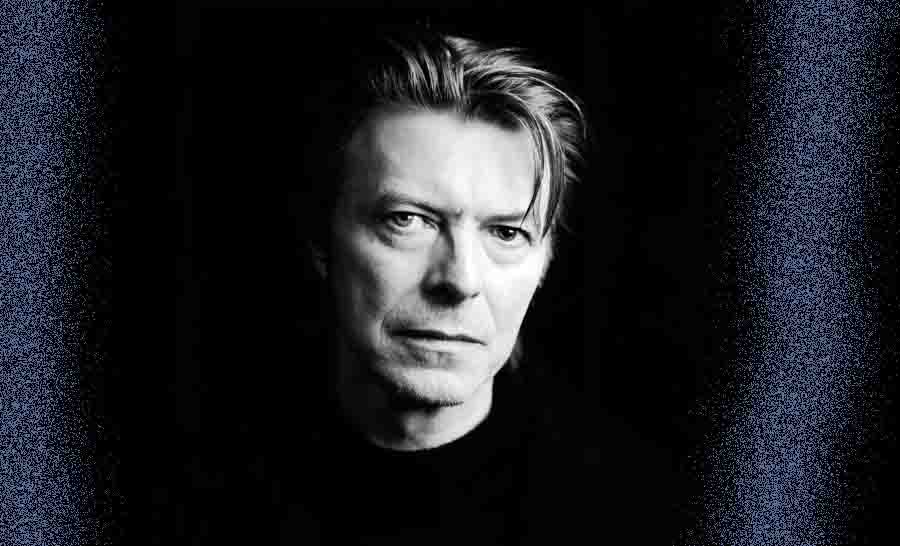
The Seven Eras of David Bowie’s Style
1962–1968: Mod Beginnings
Before glam rock, Bowie was a committed mod. As a teenager, he popularised tapered trousers at school and dyed his hair using food colouring. Even then, his willingness to challenge norms signalled the beginnings of the David Bowie fashion legacy.
1969–1972: Hippie Experimentation and Gender Fluidity
Now performing full-time, Bowie explored Buddhism, mime, and performance art. Flowing dresses and soft silhouettes became part of his look. The Man Who Sold the World album cover, featuring a dress by Michael Fish, remains one of the earliest mainstream challenges to rigid gender dress codes.
1972–1974: Glam Rock and Global Impact
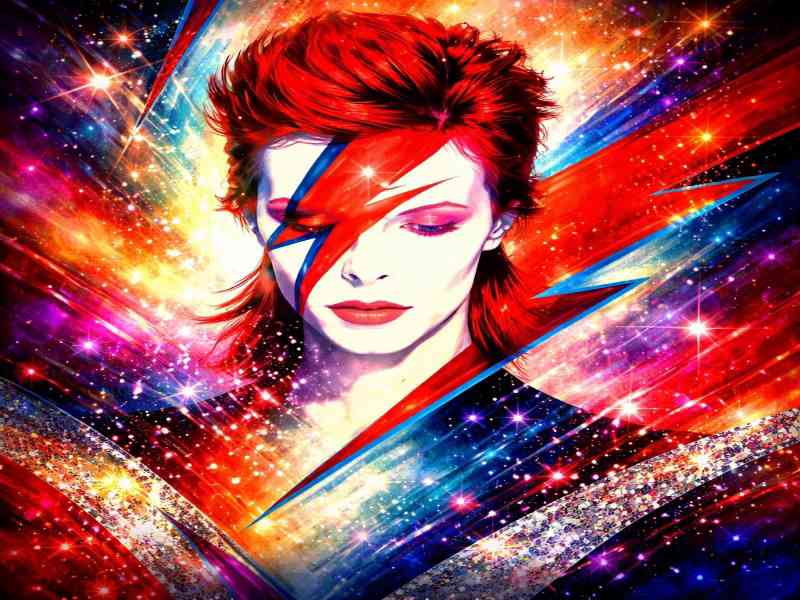
Ziggy Stardust changed everything. Red hair, lightning-bolt makeup, platform boots, and sequin jumpsuits created a global glam-rock phenomenon and brought androgyny into the cultural mainstream.
1974–1976: Soul, Control, and the Thin White Duke
After retiring Ziggy, Bowie embraced soul music and a colder, sharper aesthetic. The Thin White Duke, defined by tailoring, monochrome palettes, and aristocratic severity, became one of his most haunting personas.
1977–1979: Berlin and Reduction
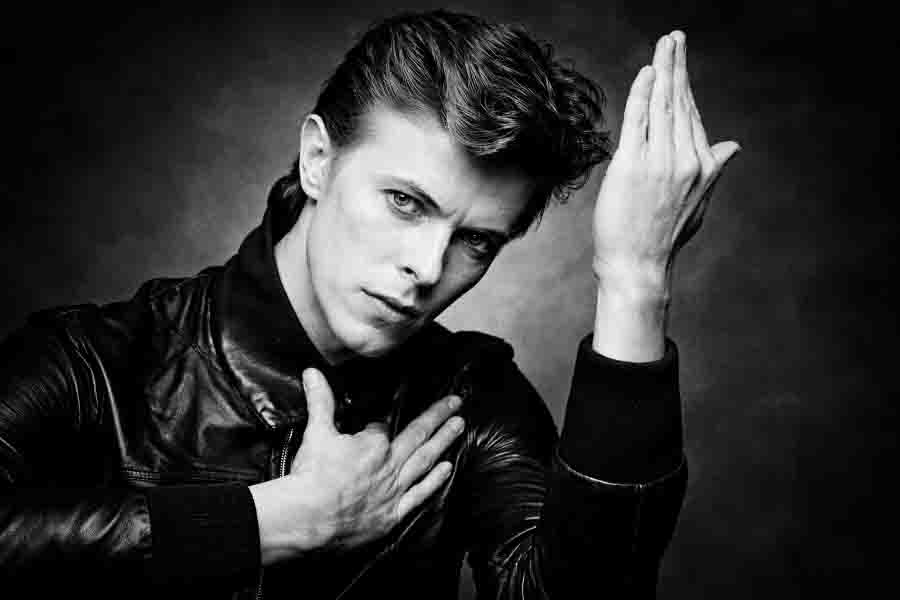
Seeking recovery, Bowie moved to Berlin. He stripped away excess, embracing minimalism and monochrome imagery. The Heroes album cover, shot in stark black and white, symbolised reinvention through restraint.
1980–1989: Performance and Play
Bowie returned to theatricality with self-awareness and humour. His looks from this era, including clown-like costumes and surreal stage elements celebrated fashion as performance art.
1990–2016: Legacy, Withdrawal, and Final Control
A defining image of this era is the Union Jack frock coat designed by Alexander McQueen in 1997. After a heart attack in 2004, Bowie largely withdrew from public life. His final return, with The Next Day (2013) and Blackstar (2016), culminated in one of the most controlled and meaningful exits in modern music history.
A Decade Later: Bowie’s Cultural and Fashion Legacy
Ten years after his death, Bowie’s influence feels not diminished, but amplified. Few artists did more to normalise androgyny and fluid identity in the mainstream. At a time before digital culture, a new Bowie release offered an entire education, introducing fans to new art, literature, fashion, and ways of thinking.
For generations of teenagers who felt out of place, Bowie provided permission to experiment, to invent, and to exist outside fixed categories.
Fashion After Bowie
The David Bowie fashion legacy is deeply embedded in contemporary design. From street style to haute couture, his influence is visible across menswear and womenswear alike. Designers including Alexander McQueen, Jean Paul Gaultier, Dries Van Noten, Dior, Balmain, and Margiela have repeatedly returned to Bowie’s visual language.
Bowie helped fashion become a pop-cultural force, proving that clothing could carry narrative, emotion, and ideology.
A decade after his death, David Bowie stands as a reminder that style is not about consistency but courage. He understood fashion as transformation, a tool to redefine character, challenge norms, and imagine new selves.
Glam rock will never be the same. Neither will fashion. And ten years on, Bowie’s belief in reinvention feels more necessary than ever.
Table of Contents
Enjoyed this article? Then explore more about these two Congolese artists.