DR Congo World Cup Dream: Can the Leopards Qualify Again in 2026?
DR Congo World Cup
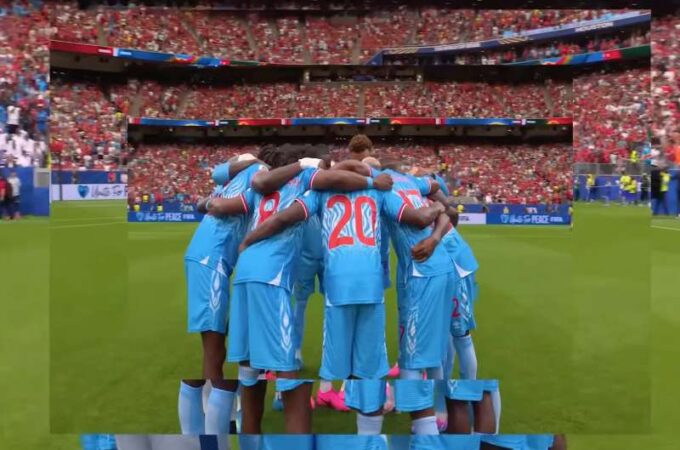
For millions of football fans across Africa, the FIFA World Cup is more than just a tournament. It is a global stage where nations write history and inspire generations. across the world. For the Democratic Republic of the Congo, the dream of participating in the World Cup remains one of the country’s biggest sporting ambitions.
Football has always held a special place in Congolese society. From the streets of Kinshasa to packed local stadiums, the sport connects people across regions, generations, and backgrounds. Despite producing legendary talent and achieving success at continental level, DR Congo is still searching for its first appearance at the modern FIFA World Cup.
A Nation Passionate About Football
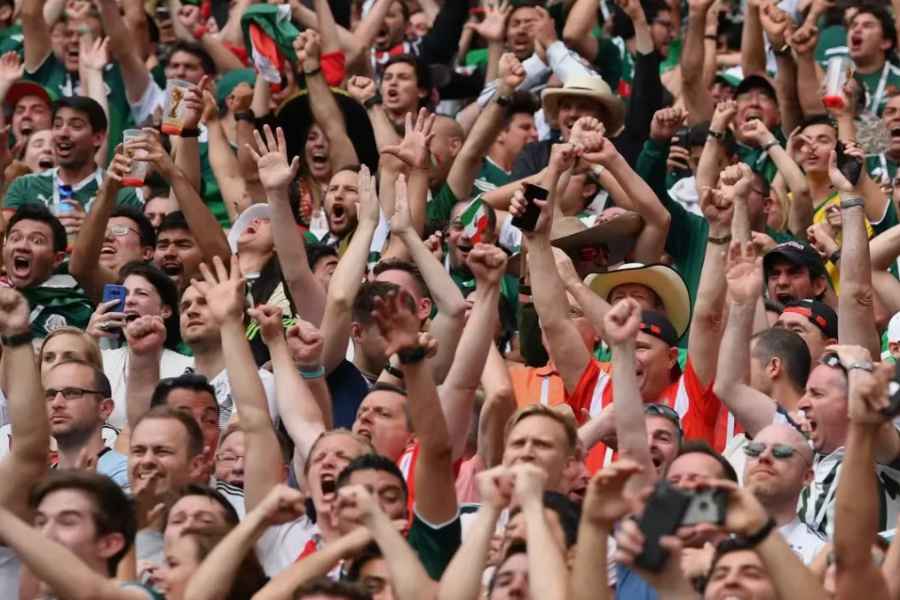
In DR Congo World Cup is not a one time off. Football is deeply tied to national pride. The national team, commonly known as the Leopards, carries enormous expectations every time it enters international competition. Support for the team stretches far beyond the country itself, with the large Congolese communities across Europe, Africa, and North America closely following every qualification campaign.
The country has produced several iconic footballers over the decades. Many Congolese players have gone on to play in Europe’s top leagues, helping strengthen the international reputation of Congolese football. Names connected to Congolese football history continue to inspire younger generations that dream of one day representing the nation on the biggest stage.
DR Congo World Cup History
Although DR Congo has never officially participated in the FIFA World Cup under its current name, the country did make history in 1974 when it qualified as Zaire. That tournament, hosted in Germany, marked the first time a Sub-Saharan African nation from central Africa appeared at the World Cup.
The qualification itself was historic. Zaire defeated several strong African teams during the qualification process and earned its place among the world’s best nations. The achievement became a defining moment for African football and remains one of the most important sporting milestones in Congolese history.
However, the 1974 tournament proved difficult. Zaire faced powerful teams including Brazil, Scotland, and Yugoslavia. The team struggled against more experienced opponents and exited the tournament during the group stage.
Despite the disappointing results, the qualification itself remains legendary in the country. Many Congolese fans still see the 1974 team as pioneers who opened doors for future African generations in international football.
African Football Has Changed
The landscape of African football has evolved dramatically since the 1970s. African nations now regularly compete at high levels internationally, with countries such as Morocco, Senegal, and Ghana making strong impressions at World Cups in recent decades.
Morocco’s historic run to the semi-finals at the 2022 FIFA World Cup showed that African teams can genuinely challenge the world’s football powers. That achievement inspired many countries across the continent, including DR Congo.
The expansion of the FIFA World Cup to 48 teams starting from 2026 also creates new hope for African nations. Africa will receive more qualification spots than ever before, increasing the chances of DR Congo World Cup participation after more than fifty years.
The Current Generation of Congolese Talent
One reason for optimism is the growing pool of talented Congolese players competing internationally. Many footballers with Congolese roots are active in European leagues, bringing technical ability, physical strength, and tactical experience.
The national team has become increasingly competitive in recent African competitions. DR Congo regularly qualifies for the Africa Cup of Nations and has shown that it can compete with some of the continent’s strongest teams.
The challenge, however, lies in consistency. Qualification campaigns often depend on small details such as injuries, squad chemistry, coaching stability, and organization behind the scenes. Many fans believe that DR Congo World Cup participation requires stronger long-term football infrastructure to fully unlock its talents’ potential.
Why World Cup Qualification Would Mean So Much
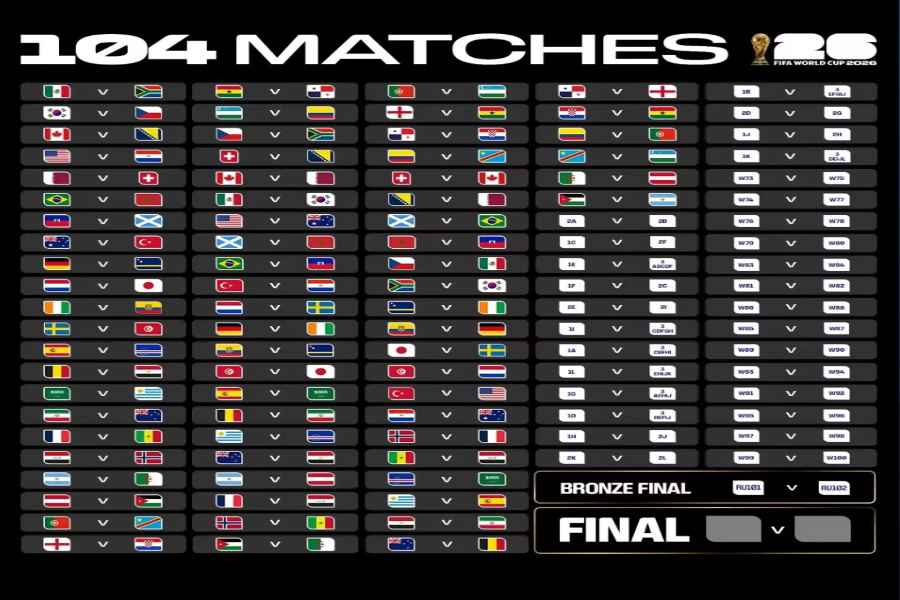
A future DR Congo World Cup qualification would represent far more than football. It would become a major cultural and emotional moment for the nation.
The country has one of Africa’s youngest populations, and football remains a powerful source of hope and inspiration. A successful qualification campaign could unite millions of people both inside the country and throughout the Congolese diaspora worldwide.
It would also shine an international spotlight on Congolese culture, music, fashion, and identity. Football tournaments often create global visibility that extends beyond sport itself. For a country with such a rich cultural influence, especially in music and entertainment, the World Cup would offer a massive international platform.
Challenges Still Exist
Despite the excitement surrounding Congolese football, several challenges remain. Infrastructure development, youth academies, investment, and federation stability continue to play a major role in determining long-term success.
Many African nations have faced similar issues while trying to compete consistently at the highest level. Building a successful football system requires patience, organization, and long-term planning both on and off the field.
Another challenge involves dual-nationality players. Many talented footballers of Congolese origin are born or raised in Europe and often have multiple national team options. Successfully convincing top players to represent DR Congo could become crucial for future qualification campaigns.
The Future Looks Promising
Even with these challenges, optimism around Congolese football remains strong. The combination of young talent, passionate supporters, and expanded World Cup opportunities has created growing belief that DR Congo could soon return to football’s biggest tournament.
The possibility of seeing the Leopards compete on the world stage again would be emotional for older generations who remember 1974 and unforgettable for younger fans experiencing such a moment for the first time.
Football has always been a symbol of pride and resilience in DR Congo. The dream of participating in the FIFA World Cup continues to motivate players and supporters alike. Whether qualification comes in 2026 or beyond, many believe it is no longer a question of if, but when.
For Congolese fans around the world, the hope remains alive: one day the Leopards will once again stand among the greatest football nations on Earth.
If you enjoyed this story about DR Congo World Cup, explore more articles on our website for deeper dives into Congolese culture, football, music, travel, and the stories shaping our communities across the globe.