Halloween facts you need to know + 1 Great myth
Halloween facts Every year on October 31st, people all around the world carve pumpkins, dress up in spooky costumes, and fill their homes with cobwebs and candy. But have you ever wondered what Halloween is really about and how it began?
Halloween isn’t just a night of jump scares and sugar highs, it’s a holiday with ancient roots, fascinating folklore, and traditions that have evolved over thousands of years. Whether you’re a history lover, a Halloween fanatic, or just someone who enjoys a good ghost story, here are five freaky facts (and one myth) that reveal the real story behind this frightfully fun holiday.
Halloween facts: #1 It all began as an ancient Celtic festival
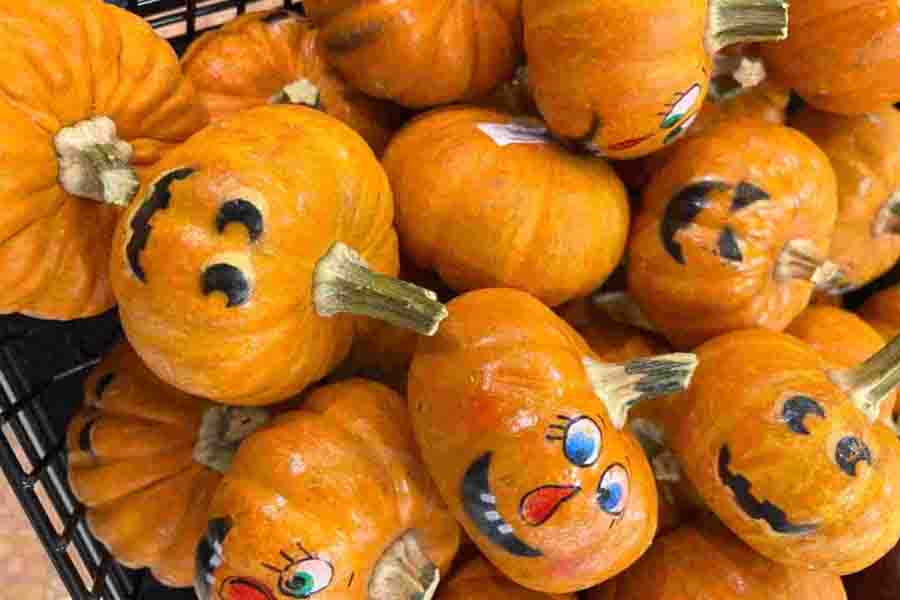
The history of Halloween starts more than 2,000 years ago with the Celtic festival of Samhain (pronounced sow-in). For the Celts of Ireland, Scotland, and parts of France, Samhain marked the end of the harvest season and the start of the dark winter.
People believed that on the night of October 31st, the boundary between the living and the dead grew thin, allowing spirits to cross into the human world. To protect themselves, villagers lit bonfires, wore animal skins or masks to confuse the ghosts, and left out food to appease wandering souls.
So, before Halloween was all about candy and fancy costumes, it was a night of folklore and celebration of change and mystery.
Halloween facts: #2 Costumes and trick-or-treating have ancient roots
Dressing up on Halloween is one of the most beloved traditions, but it’s not new. The Celts wore disguises during Samhain to hide from ghosts, a practice that evolved over time into Halloween costumes.
When Christianity spread through Europe, the Church introduced All Saints’ Day (or All Hallows’ Day) on November 1st to honor the dead. The evening before became All Hallows’ Eve, which eventually shortened to Halloween.
By the Middle Ages, people began “souling”, going door to door offering prayers for the dead in exchange for food or “soul cakes.” This custom crossed the Atlantic with immigrants and transformed into today’s trick-or-treating tradition with candy replacing the baked goods.
Halloween facts: #3 Pumpkins replaced turnips as jack-o’-lanterns
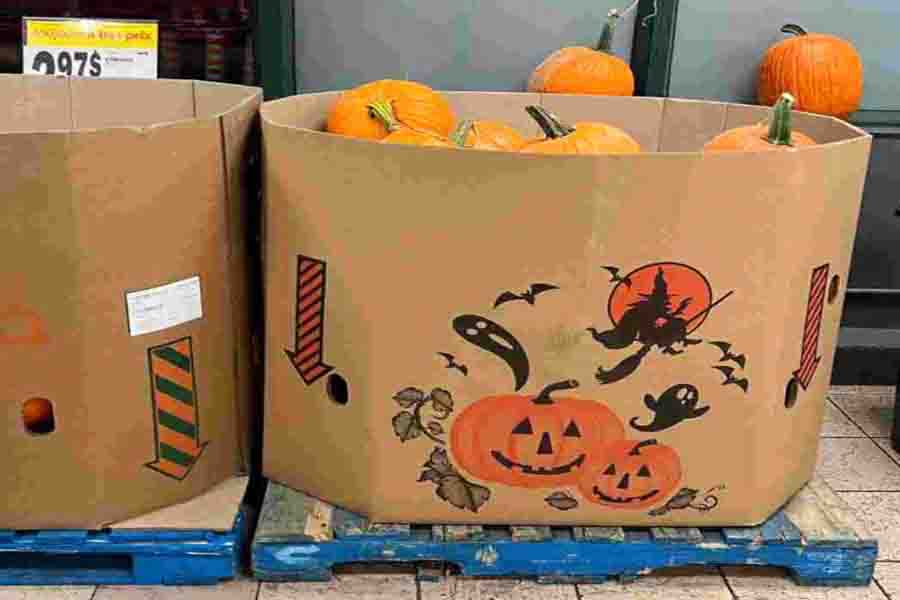
One of the most iconic Halloween symbols is the jack-o’-lantern, but did you know it started with turnips? In Ireland and Scotland, people carved scary faces into turnips and placed candles inside to ward off evil spirits. The tradition comes from an Irish folktale about Stingy Jack, a man who tricked the Devil and was condemned to wander the Earth with only a glowing coal inside a carved-out turnip.
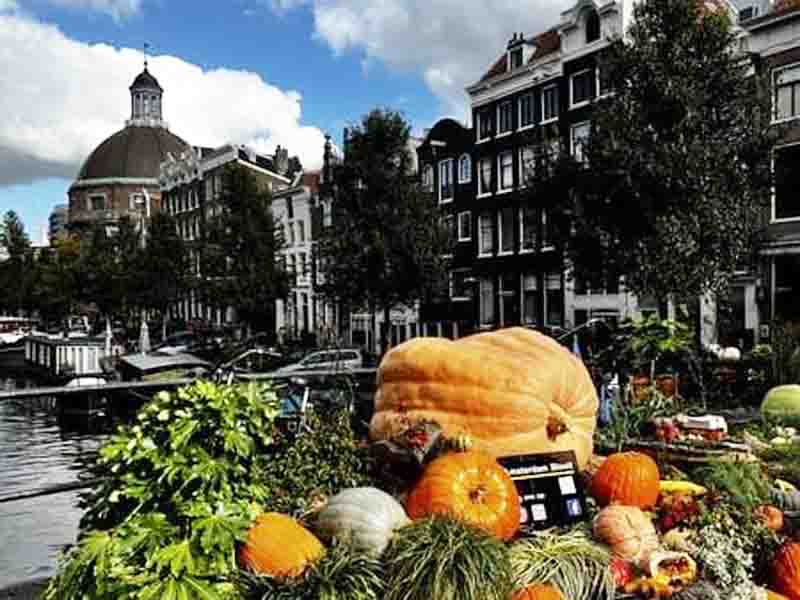
When Irish immigrants came to America, they discovered that pumpkins were bigger, easier to carve, and perfect for the job. That’s how the pumpkin became the bright orange face of Halloween.
Halloween facts: #4 Black cats became Halloween symbols through superstition
During the Middle Ages, black cats were often seen as witches’ familiars, magical creatures that helped them perform spells. Because of this, black cats became associated with bad luck and witchcraft, a reputation that stuck for centuries.
Today, most people recognize that superstition for what it is, just a myth. In fact, in many cultures, black cats are good luck symbols. In Japan and Scotland, they’re considered signs of prosperity and protection.
Halloween facts: # 5 Halloween is one of the biggest holidays in the world
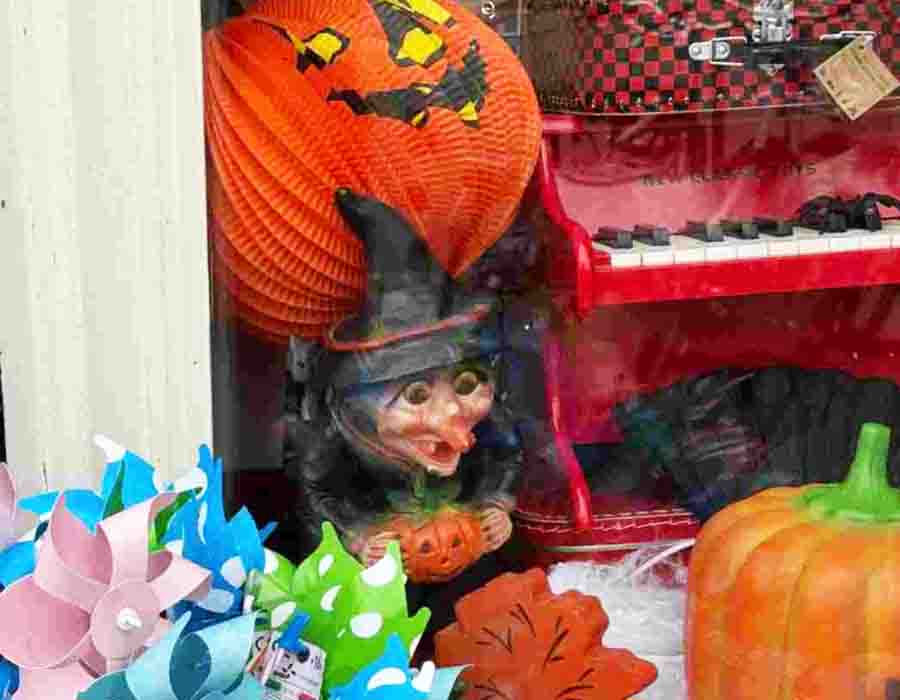
From spooky decor to sweet treats, Halloween is now a multi-billion-dollar industry. In the United States alone, people spend billions every year on costumes, candy, and decorations, making it the second most popular holiday after Christmas.
But Halloween isn’t just for kids anymore. Adults love it too, from themed parties to haunted houses, and horror movie marathons. What started as a Celtic festival has grown into a global celebration of creativity, community, and good old-fashioned fun.
Halloween myth: Halloween is “satanic”
One of the biggest Halloween myths is that it’s a satanic holiday. In reality, Halloween has no connection to devil worship. Its origins are pagan, meaning nature-based and seasonal.
The Celts who celebrated Samhain didn’t believe in the Devil, and when the Church created All Hallows’ Eve, it was meant to honor saints, not summon spirits. Today, Halloween is about imagination, it’s a night for dressing up, telling stories, and celebrating the playful side of fear.
So what is Halloween, really?
It’s a magical blend of ancient tradition, cultural evolution, and creative fun. From Samhain bonfires to pumpkin carving, from soul cakes to trick-or-treating, every custom tells a story that’s thousands of years old.
Did you know any of these Halloween facts already?
How many of them surprised you? One, two, or maybe all five?
If you enjoy fact-based articles or love learning the stories behind your favorite traditions, check out another interesting read right here.
If you prefer reading in Greek, you can also find most of our articles translated over on thermaiko.eu.
Stay curious, stay spooky, and keep exploring the fascinating facts that make our world a little more magical!