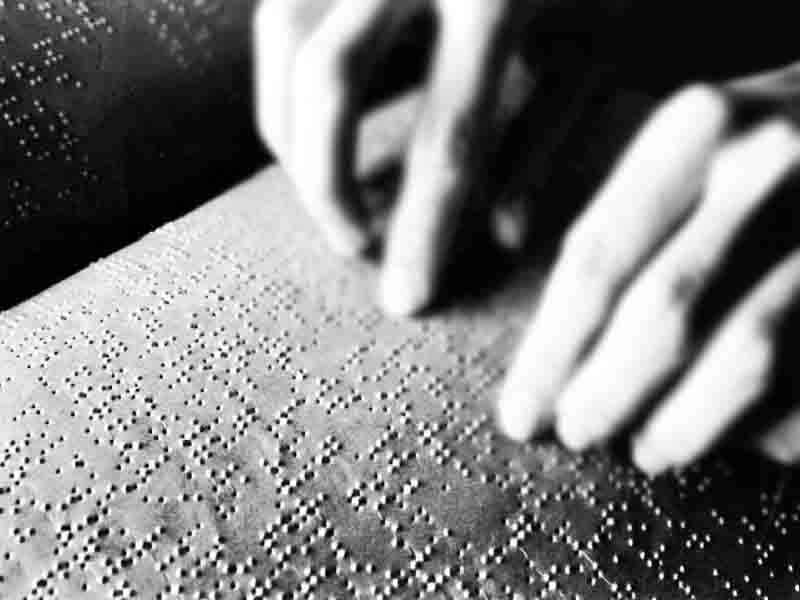
World Braille Day – January 4, An Important Date for Equality
Braille: The Language of Touch That Paved the Way to Equality
World Braille Day, celebrated every year on January 4, honours the birth of Louis Braille, the French educator who, in 1824, created a revolutionary system of reading and writing for people with visual impairments. The day was officially recognised by the United Nations in 2018 and has since served as a global reminder that access to information is a fundamental human right.
What Is Braille?
Braille is a tactile reading and writing system based on raised dots. Each character is formed within a six-dot cell (two columns by three rows). There are 64 possible combinations that represent:
- Letters
- Numbers
- Punctuation
- Mathematical symbols
- Musical notation
- Scientific and technical codes
Braille is a code that can be applied to any language in the world.
Why Is Braille So Important?
According to international organizations, more than 2.2 billion people worldwide live with some form of visual impairment.
For millions of them, Braille is:
- The means to learn how to read and write
- A tool for accessing education
- A bridge to employment and independence
- A way to participate fully and equally in society
World Braille Day – January 4
The use of Braille is far more widespread than most people realise. It is found in:
- Education
- Everyday Life
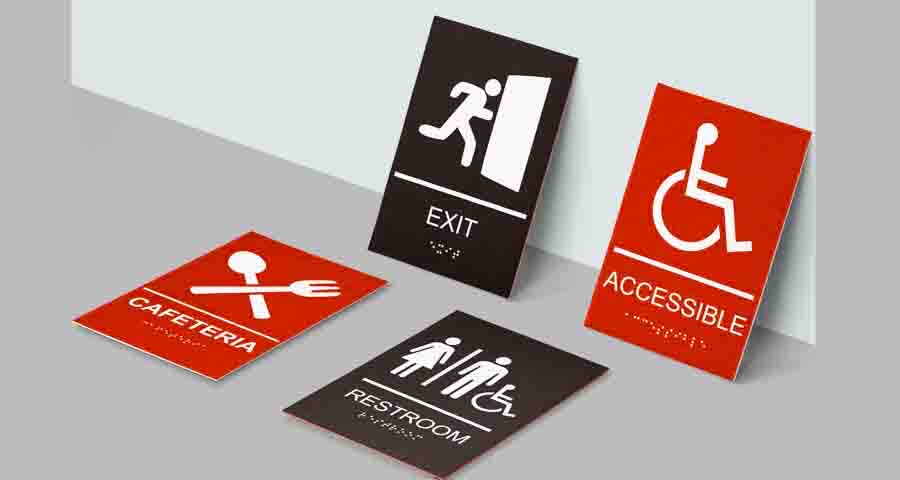
- Public Spaces
- The Digital Era
Braille as a Tool of Independence and Dignity
Braille is not just a writing system. It is:
- The voice of autonomy
- The key to education
- The foundation of equal participation
- Proof that human ingenuity can break down barriers
World Braille Day reminds us that accessibility is a universal right.
Publishers & Organisations Providing Braille Materials
In Greece
1. Lighthouse for the Blind of Greece
The country’s most important producer of Braille books. It has produced over 5,000 titles serving Greece, Cyprus, and the diaspora.
2. Braille Library of the Lighthouse for the Blind
The only historic Braille library in Greece, with more than 3,500 titles.
3. Braille Greece
A key provider of Braille signage and materials.
Internationally
1. National Braille Press (USA)
2. Braille Publishers (USA)
The Historical Development of Braille Writing
The history of Braille begins in the early 19th century, when people with visual impairments had extremely limited access to education. Books for the blind were rare, bulky, and relied on raised printed letters that were difficult to read by touch.
In 1821, fourteen-year-old Louis Braille met Captain Charles Barbier, who had developed a “night writing” system for soldiers to read messages in the dark. Although innovative, the system was too complex. Braille recognised its potential and began simplifying it. In 1824, at just 15 years old, Louis Braille introduced his own system that it quickly spread through schools for the blind in France and later worldwide. Although Louis Braille did not live to see the global success of his invention, his system was officially adopted.
Today, Braille continues to evolve through technology. Refreshable Braille displays, specialised keyboards, and applications that convert digital text into tactile code have transformed access to information. Electronic books, educational resources, and online platforms are now more accessible and inclusive for people with visual impairments. Braille remains a cornerstone of accessibility, fully adapted to the needs of the digital era, and as vital as ever.
If you enjoyed learning about World Braille Day, you might find interesting the World Diabetes Day article.
Read the original World Braille Day article in Greek here.