
World Diabetes Day 2025: “Diabetes and the Workplace” – How to make a positive impact
World Diabetes Day Every year on November 14, millions of people around the globe unite to mark World Diabetes Day (WDD), a global campaign dedicated to raising awareness of diabetes, its impact on lives, and the urgent need for better prevention, education, and access to care. The date commemorates the birthday of Sir Frederick Banting, who, alongside Charles Best, discovered insulin in 1922, one of the most significant breakthroughs in medical history. Established in 1991 by the International Diabetes Federation (IDF) and the World Health Organisation (WHO), and officially recognised by the United Nations in 2006, World Diabetes Day has become the largest diabetes awareness campaign in the world, reaching over a billion people across more than 160 countries.
While each year brings a new focus, the current multi-year theme from 2024 to 2026 is “Diabetes and Well-being,” a theme that looks beyond blood sugar levels to the full picture of living with the disease. For 2025, the campaign zeroes in on a particularly relevant issue: “Diabetes and the Workplace.” This year’s message, “Know more and do more for diabetes at work,” highlights the reality that a majority of people living with diabetes are of working age, and that their ability to thrive at work is deeply connected to their physical, mental, and social well-being.
Diabetes and the Workplace World Diabetes Day
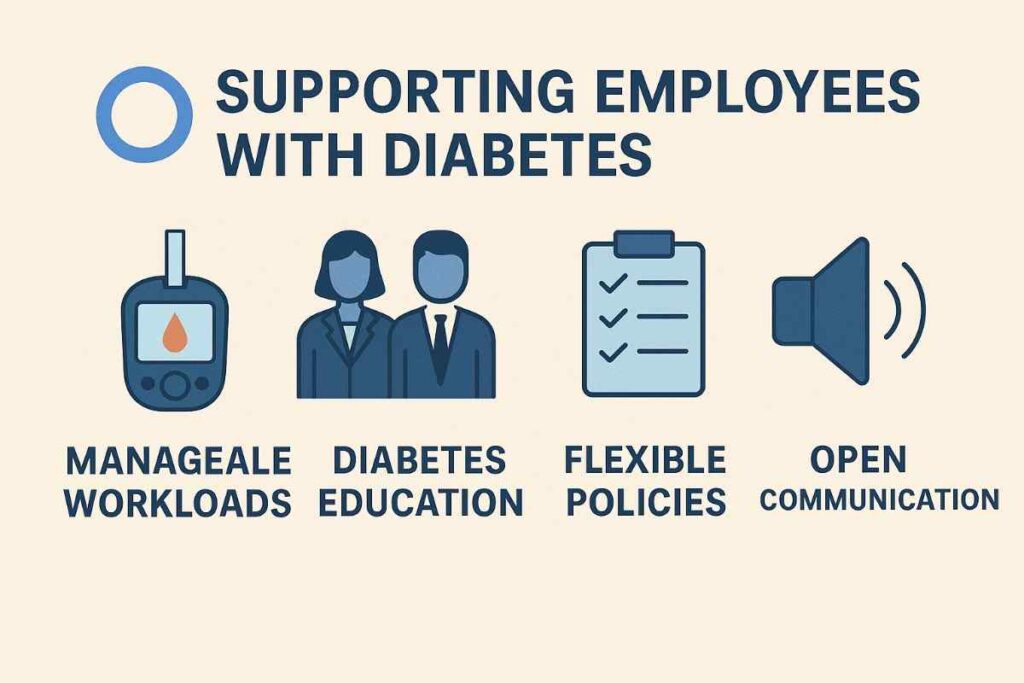
The workplace plays a powerful role in the lives of people managing diabetes. According to the IDF, nearly seven in ten people living with diabetes are currently employed. Yet, despite its prevalence, diabetes remains widely misunderstood in professional settings. Many individuals face daily challenges in balancing their medical needs with job demands, from managing insulin schedules and meal planning to coping with fatigue, stress, and sometimes workplace stigma. In fact, the IDF reports that three in four people with diabetes experience anxiety, depression, or another mental health condition linked to their diagnosis.
This year’s campaign seeks to change that narrative by calling on employers, coworkers, and institutions to create more supportive work environments. A “diabetes-friendly” workplace isn’t just about accessibility; it’s about awareness, empathy, and inclusion. That means allowing flexibility for medical appointments, providing healthy food options, offering private spaces for glucose monitoring, and fostering open conversations that reduce stigma. For employers, supporting workers with diabetes isn’t only a matter of compassion; it also makes business sense. Healthier, supported employees are more productive, more loyal, and contribute to a more inclusive company culture.
The theme also recognises the mental health connection. Managing diabetes requires constant vigilance, tracking blood sugar, monitoring diet, taking medication, which can lead to burnout. By acknowledging these pressures and encouraging mental-health support in the workplace, the 2025 campaign reframes diabetes management as a shared responsibility, not a solitary struggle.
How Can Individuals Take Action

Whether you live with diabetes or want to prevent it, individual action matters. For those managing the condition, knowledge and consistency are key. Regular check-ups, balanced nutrition, exercise, and medication adherence form the foundation of control. However, just as important is mental health maintenance, learning stress-reduction techniques such as mindfulness, seeking peer support groups, and not hesitating to discuss your needs with supervisors or HR departments.
For people aiming to prevent type 2 diabetes, lifestyle plays a crucial role. Maintaining a healthy weight, eating whole foods rich in fiber and low in processed sugars, staying physically active, and getting regular screenings can dramatically reduce risk. Even small daily choices, walking instead of driving short distances, reducing sugary drinks, or getting adequate sleep, have lasting impact.
On a broader scale, everyone can contribute to the spirit of World Diabetes Day by spreading awareness, sharing stories, and supporting community events. Advocacy matters: pushing for better access to affordable insulin, health education, and supportive policies ensures that no one faces diabetes alone.
As the world observes World Diabetes Day 2025, the message is clear: diabetes affects us all, directly or indirectly. Workplaces are not separate from health; they are part of it. By fostering understanding, compassion, and proactive support in the spaces where we spend most of our waking hours, we can help ensure that well-being, physical, mental, and social, becomes everyone’s business.
Don’t Know Where to Start? Check These Resources for Support
If you’ve just been diagnosed with diabetes, or you’re supporting someone who has, it can be difficult to know where to begin. Reliable information and supportive communities can make all the difference. Below are a few trusted global resources to help you understand diabetes, find guidance, and connect with others who share similar experiences.
International Diabetes Federation (IDF)
https://idf.org
The IDF is one of the leading global organisations focused on diabetes awareness, advocacy, and education. Their website offers a wide range of resources, including guides for living with diabetes, research updates, prevention programs, and support for caregivers and professionals.
World Diabetes Day Official Site
https://worlddiabetesday.org
This is the campaign’s official global website. It features information about the annual theme, toolkits for awareness events, and stories from people living with diabetes around the world. It’s a great place to get involved, download materials, or learn how to raise awareness in your community.
World Health Organization (WHO) – Diabetes and World Diabetes Day
https://www.who.int
The WHO provides a clear overview of diabetes as a global health challenge, including facts about prevention, treatment guidelines, and international initiatives. It’s an excellent source if you’re looking for accurate, science-based information on how governments and organizations are responding to diabetes worldwide.
If you’re looking for more personal guidance or direct community connections, it’s also worth exploring regional or national diabetes associations in your area. Most countries have local organisations that offer practical support, events, and healthcare information tailored to your region.
If you’re interested in exploring more insights on health and well-being, take a look at this article.